PrintAvera Collection
The Bullet Journal Companion Collection
Premium trackers and inserts designed for dot grid lovers.
There is a particular joy in a fresh spread. The blank dot grid, the pen you have decided is your favourite this month, the quiet half hour where the whole page is still full of promise. Bullet journalling gives you that ritual, and it gives you something rarer too: a system that is entirely yours, drawn by your own hand, shaped to fit the life you actually live. For many of us that craft is the point. It is meditative, it is creative, and it turns the ordinary act of keeping track into something that feels a little like making art on an unremarkable weeknight.
And yet. If you have kept a bujo for more than a season, you know the other side of it. You know the small sigh that arrives when it is time to rule out the same monthly habit tracker for the fourth month running, measuring the boxes, redrawing the grid, wondering why you are spending your creative energy on straight lines instead of the parts you love. A missed ruler mark, a wobble halfway down the page, and suddenly the spread you were looking forward to feels like a chore. The ritual is lovely. The repetition of the scaffolding underneath it, less so.
This is where a few well-chosen printables quietly change everything. Not to replace your journal, but to hand back the hours you keep losing to grid lines and column widths. Print-and-go trackers can live inside your bujo or beside it, so the structure is done and the personal part is all yours again. Throughout this guide we will look at how to combine printables with a hand-drawn journal, and how tools like a 90-Day Habit Tracker, a habit tracker stamp printable, and a monthly meal planner let you track habits, mood, meals, and health the bullet journal way, without redrawing a single box.
Shop the Collection
Bullet Journal Printables
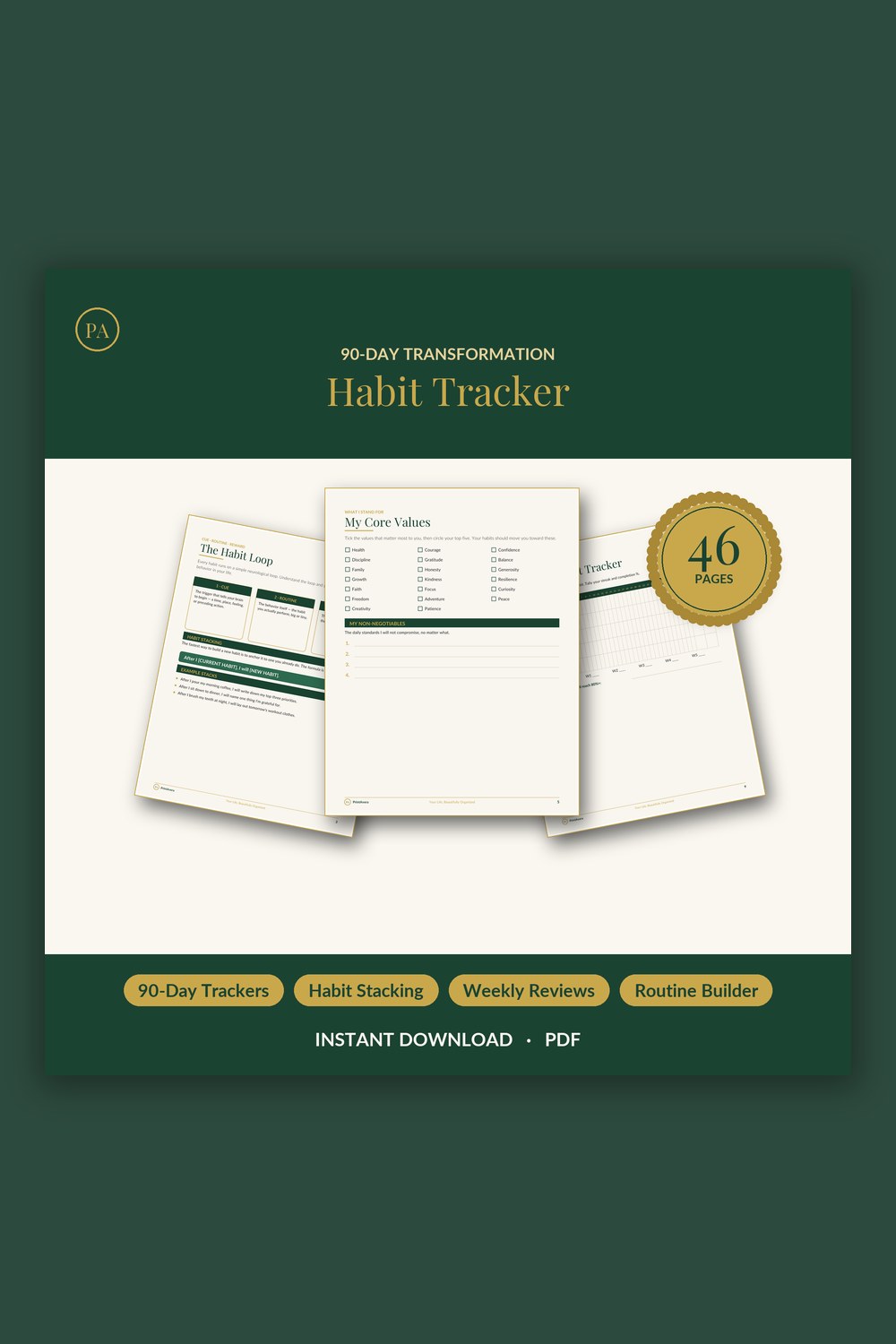
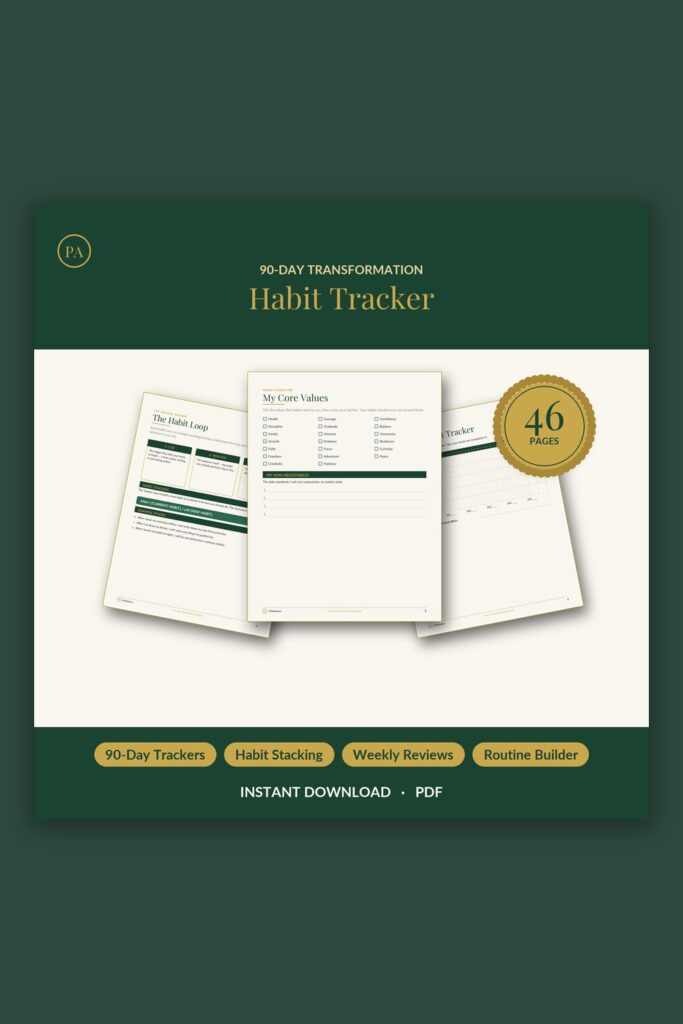
Habit Tracker Printable
Build life-changing habits in 90 days with a calm, beautiful tracking system you'll actually want to use.
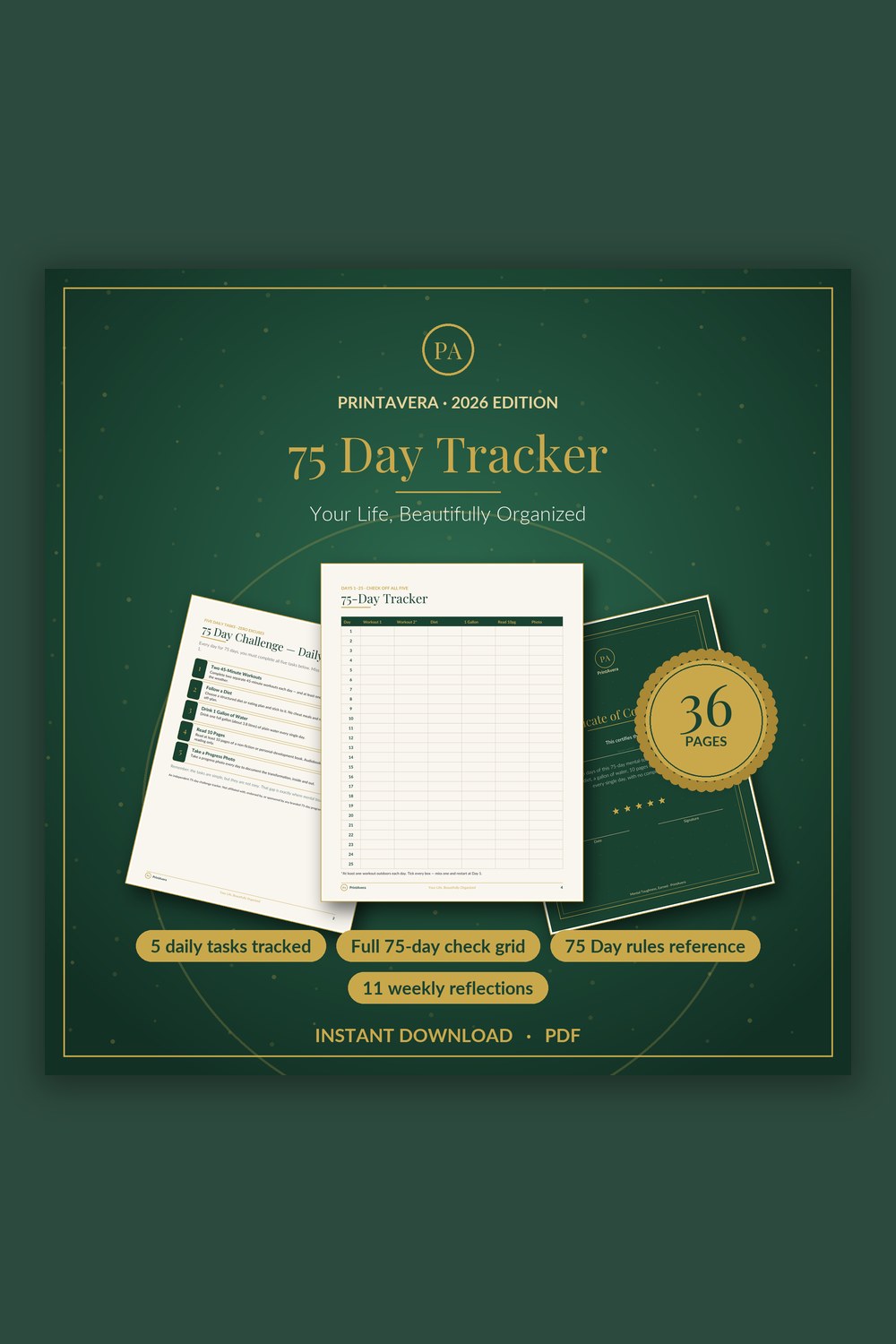
75 Day Challenge Tracker Printable
Conquer all 75 days with a premium, distraction-free tracker that keeps you honest on every single task.
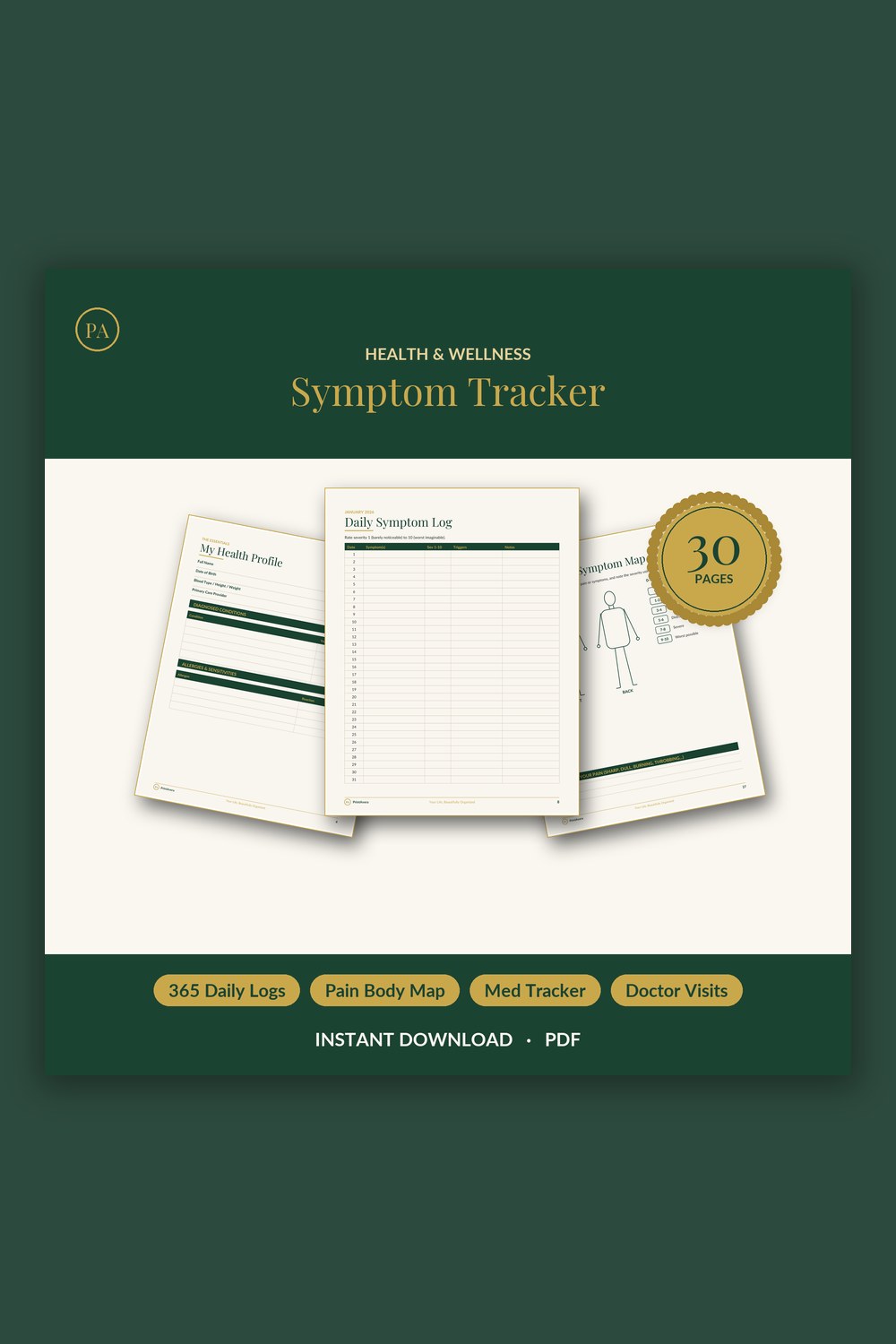
Symptom Tracker Printable
A warm, clear symptom journal that turns scattered bad days into a clear story you can hand your doctor.
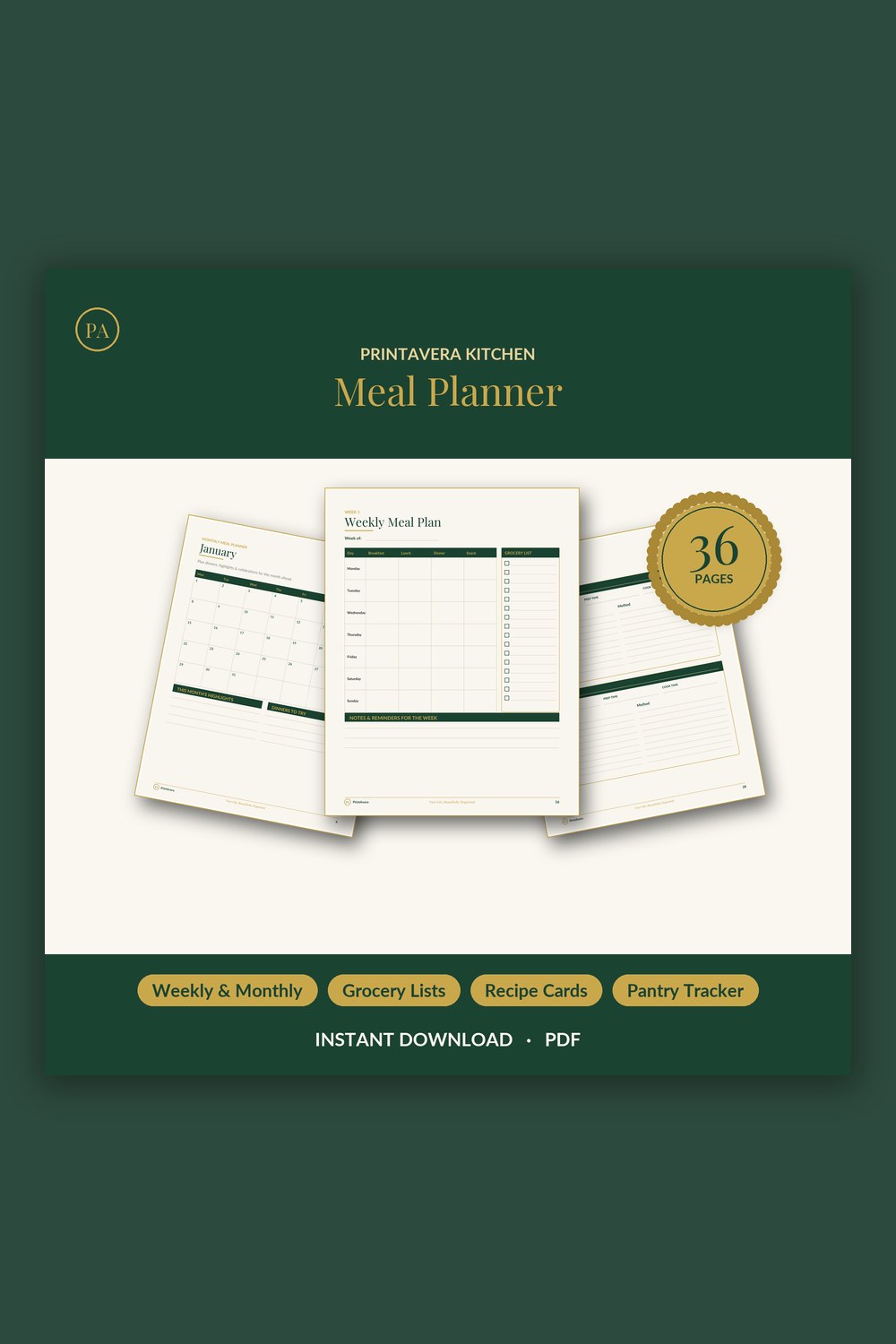
Meal Planner Printable
The Complete Meal Planner — nourish your body and simplify your life
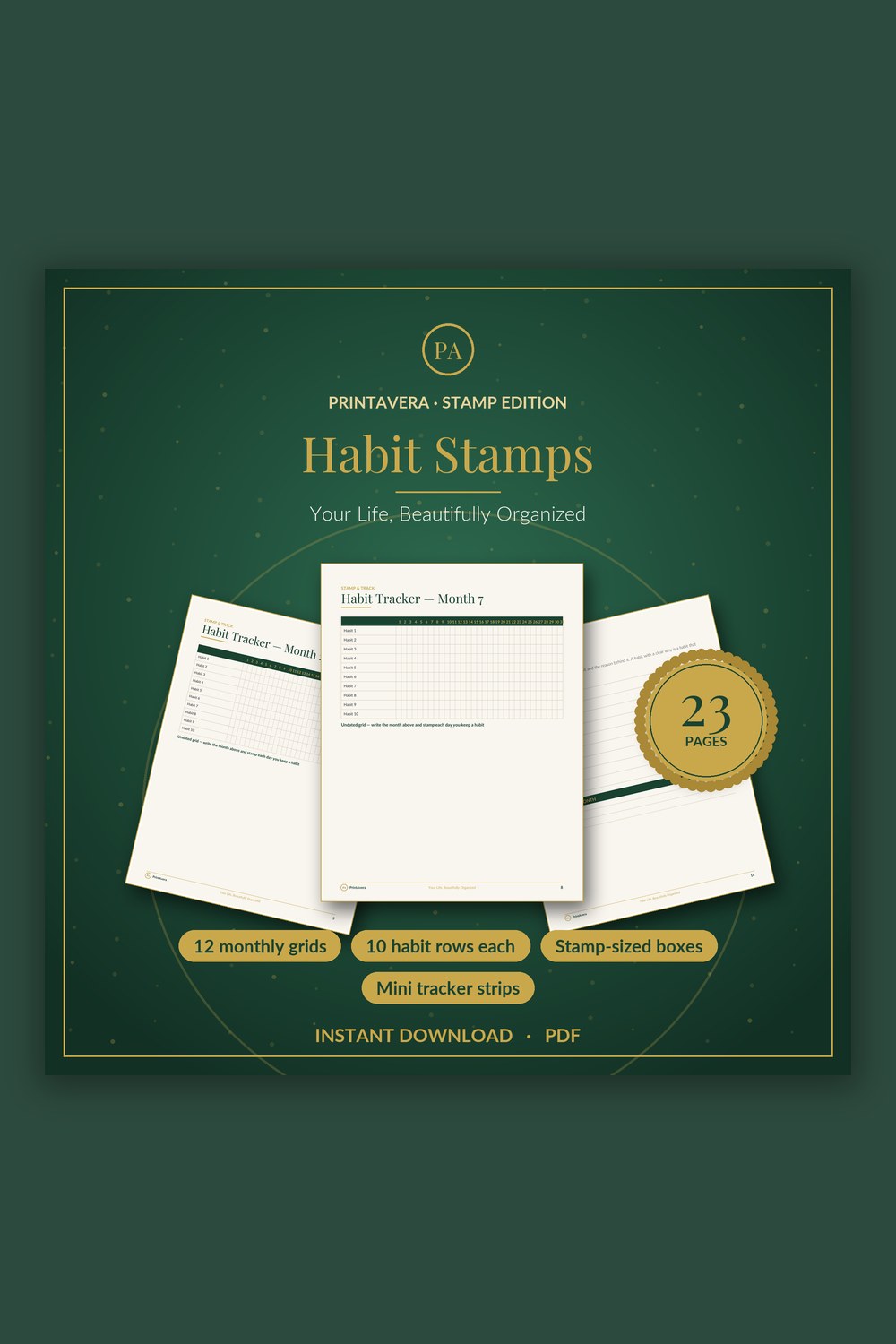
Habit Tracker Stamp Printable
A clean, minimalist habit tracker designed for your favourite rubber stamps — generous boxes, twelve monthly grids and mini strips that turn building good habits into a satisfying daily ritual.
Digital Bullet Journal
A complete digital bullet journal that brings your future log, monthly, weekly and daily spreads and every favourite collection…
Bullet Journal Starter Kit
A complete bullet journal starter kit that sets a beginner up from scratch — the method plus every core spread and collection,…
Reading Tracker Journal
A complete reading tracker printable that keeps every book you read and every one you're longing to read in one beautiful place
The Complete Guide
Why bujo lovers keep redrawing the same trackers
If you search the word habit tracker on any given evening, you will find thousands of beautiful bullet journal spreads, and behind almost every one of them is a person who ruled every line by hand. That is genuinely part of the appeal. A hand-drawn habit tracker is personal in a way a printed one rarely manages, and the act of building it is half the pleasure. The trouble is that a habit tracker is, by design, something you rebuild constantly. Weekly, monthly, sometimes a fresh yearly tracker each January, each one asking for the same grid, the same header, the same careful measuring you did last time.
The repetitive grid and the creative joy are two different things, and you are allowed to separate them.
The maths adds up faster than you would think. A monthly habit tracker, a mood tracker, a workout tracker, a water tracker, perhaps a bujo tracker or two for the little things you are trying to notice. That is potentially an hour of ruling before you have coloured a single box. For a while it feels like part of the craft, and then one busy month it simply does not get drawn at all, and the habit you were building quietly slips because the scaffolding never appeared. The tool meant to keep you consistent became the very thing that broke your consistency.
None of this means the hand-drawn approach is wrong. It means the repetitive scaffolding and the creative joy are two different things, and you are allowed to separate them. Keep the parts that feel like play, the lettering, the doodles, the year in pixels you actually enjoy filling. Hand the tedious, identical, redraw-it-every-month parts to something that arrives ready-made. That is the whole quiet argument for a printable habit tracker: it protects the ritual by removing the drudgery hiding inside it.
- Notice which spreads you redraw identically each month; those are your printable candidates.
- Separate the creative parts you love from the mechanical grid work you dread.
- Count the minutes you spend ruling lines before any tracking actually begins.
- Let a missed month be a signal to simplify, not a reason to quit the habit.
How to blend printables into a hand-drawn journal
The happiest bullet journals are rarely purist. They are hybrids: hand-lettered where it matters, printed where it saves time, glued and taped and tucked together into something that still feels handmade. The simplest way to bring a printable habit tracker into your bujo is to size it to your page, trim it, and wash-tape it in along one edge so it lifts like a little flap. You keep your dot grid pages for the writing and the doodling, and the printed tracker handles the grid you would otherwise have ruled by hand. From the outside, it reads as one cohesive spread.
Nobody should be able to tell where your hand-drawing ended and the printable quietly began.
If you would rather your journal stay entirely handwritten, treat printables as a companion volume instead. Many people keep a slim folder or a second notebook of printed trackers, a daily habit tracker, a monthly meal planner, a symptom log, alongside the main journal, so the bujo holds the reflection and the printables hold the repetitive record-keeping. A habit tracker stamp printable is the gentlest bridge of all: you keep drawing your own layout, but the stamp gives you a perfectly even row of habit boxes in seconds, so the part that used to need a ruler now takes one tap.
The trick is to let the printed pieces disappear into your own style rather than fight it. Match your pen colour to the printed lines, carry your usual headers and doodles onto the printed page, add a sticker or a hand-drawn key so it feels like yours. Done well, nobody looking at your bullet journal would guess where the hand-drawing ended and the printable began, and you will have quietly reclaimed the half hour you used to lose to straight lines.
- Trim a printable to your page size and wash-tape it in as a lift-up flap.
- Keep a companion folder of printed trackers beside a fully handwritten bujo.
- Use a habit tracker stamp printable to get even boxes without a ruler.
- Match pens, headers, and doodles so the printed page blends into your style.
Reader Favourite
Habit Tracker Printable
Build life-changing habits in 90 days with a calm, beautiful tracking system you'll actually want to use.
Building a habit tracker that actually sticks
A habit tracker only works if you see it, so the first rule is placement over prettiness. The most beautiful bujo tracker in the world does nothing if it lives on a page you never turn to. Keep your daily habit tracker somewhere it catches your eye, at the front of the journal, on a printed sheet propped by the kettle, wherever the habit actually happens. The visible chart becomes a cue in its own right, and the small satisfaction of filling a box becomes a reward. That loop of cue and reward is what quietly carries a habit through the weeks when motivation has wandered off.
A tracker you enjoy opening is a tracker you will actually keep filling in.
Be honest about how many habits to track at once. It is tempting to build a grand grid with fifteen rows, but a tracker crowded with every good intention becomes a daily reminder of everything you did not do. Three or four meaningful habits will teach you far more than fifteen you resent. Choose the ones that genuinely move your life, make the daily action small enough that starting feels almost effortless, and let the streak build. A 90-Day Habit Tracker is built around exactly this idea: a full season in view, enough to see real momentum without the overwhelm of an entire year staring back at you.
Give some thought to the shape that suits you, because there is no single correct layout. Some people love a classic monthly habit tracker grid; others prefer a vertical list, a habit calendar, or the gentle art of a year in pixels where each day becomes a single coloured square. A minimalist habit tracker keeps the focus on the doing; a cute habit tracker makes you want to open the page. What matters is not the style but whether you will return to it tomorrow, because a habit tracker you enjoy looking at is one you will actually keep.
- Put the tracker where the habit happens so the chart itself becomes the cue.
- Track three or four meaningful habits, not fifteen you will resent by Friday.
- Shrink each daily action until beginning feels almost too easy to skip.
- Choose a layout you enjoy looking at, whether a grid, a list, or year in pixels.
Tracking mood, health, and the harder days
Bullet journalling has always been quietly good at the things a to-do list ignores. A bullet journal mood tracker turns a vague sense of a difficult week into something you can actually see, and patterns you would never have noticed start to surface: the dip that always follows a poor night's sleep, the lift that comes with a walk outdoors, the way certain days repeat themselves. You do not need a diagnosis or a theory to benefit from it. You simply colour a square each evening, and over a month the shape of your emotional weather becomes visible in a way memory alone could never manage.
A plain grid filled in every night beats a gorgeous spread you redraw twice and abandon.
The same gentle attention works for the body. If you live with ongoing symptoms, a health tracker is often the single most useful page in the whole journal, and it is another spread that begs to be printed rather than redrawn each month. My Health Symptom Tracker gives you a ready-made place to log symptoms, energy, and the small daily details that are impossible to hold in your head, so that when you sit across from a clinician you have a clear record instead of a hazy guess. Kept alongside a mood tracker bullet journal printable, it lets you notice how the physical and the emotional quietly influence each other.
This kind of tracking rewards consistency far more than flourish. A plain, printed grid you fill in every night will always beat a gorgeous spread you redraw twice and then abandon. That is precisely why mood and health pages are such natural candidates for a print-and-go approach: the format stays identical from month to month anyway, so there is nothing creative lost in printing it, and everything to gain in the evenings you actually keep it up. Let the printables carry the record, and save your drawing hand for the pages that genuinely delight you.
- Colour one mood square each evening and let the monthly pattern reveal itself.
- Use a printed symptom tracker to log energy and symptoms you cannot recall later.
- Keep mood and health pages side by side to see how the two influence each other.
- Favour a consistent plain grid over a beautiful spread you will not maintain.
Find your perfect Bullet Journal printable
Each design is an instant digital download — buy it, download it, and start today. Print at home or use it on any tablet.
Meals, challenges, and the wider planning picture
Habits rarely live alone, and some of the most useful bujo pages sit just outside the tracker grid. A bullet journal meal tracker is a small revolution for anyone tired of the daily what-are-we-eating scramble, and a printed meal planner takes it further by pairing a week of meals with the grocery list that flows straight from it. Plan the week on a Sunday, shop from the list, and half the daily decision fatigue simply disappears. It is the same logic as a habit tracker, applied to the kitchen: decide once, in advance, so your future self is not left improvising at six o'clock with an empty fridge.
Decide once, in advance, so your future self is never left improvising at six o'clock.
Structured challenges are another place where a printable earns its keep. If you have ever attempted seventy five days of strict habits, you know the tracking is relentless and the redrawing is worse, which is why a dedicated 75 Hard Tracker Printable exists rather than asking you to rule the same demanding grid by hand for weeks on end. A 100 day challenge printable, a thirty day tracker, a consistency tracker for one stubborn habit, these thrive on a fixed, unchanging format, and there is genuinely nothing creative lost by printing a grid that would have looked identical whether you drew it or not.
Zoom out and a pattern appears across the whole system. Your bullet journal is wonderful for reflection, planning, and the pages that ask for your hand and your heart. Printables are wonderful for the repetitive scaffolding underneath, the grids and columns and rows that repeat unchanged, month after month. Put the two together and you get the best of both: a journal that still feels handmade and personal, and a set of print-and-go trackers quietly doing the tedious work, so the ritual you love stays a pleasure rather than a task.
- Plan a week of meals on Sunday and shop from the list it produces.
- Use a dedicated challenge tracker for 75 Hard or a 100 day challenge printable.
- Reserve fixed-format grids for printing; save hand-drawing for pages you love.
- Let the journal hold reflection and the printables hold the repetitive record.
Frequently Asked Questions
Won't using printables make my bullet journal feel less personal?
Only if you let the printables sit apart from your own style, and the fix is simple. Trim a printable to your page, tape it in, then carry your usual pens, headers, and doodles onto it so it blends with everything around it. A habit tracker stamp printable is especially good here, because you keep drawing your own layout and the stamp only handles the even boxes. Think of printables as freeing you from the repetitive grid work, not replacing your hand. Most people find their bujo feels more personal, not less, once the tedious ruling is gone and their creative energy goes back into the parts they actually enjoy.
How do I combine a printable habit tracker with a hand-drawn journal?
There are two easy approaches, and both work beautifully. You can size a printable habit tracker to your page, trim it, and wash-tape it in as a lift-up flap, so your dot grid pages stay for writing and the printed sheet handles the grid. Or you can keep a slim companion folder of printed trackers beside a fully handwritten bujo, letting the journal hold your reflection and the printables hold the repetitive record-keeping. Either way, match your pen colour to the printed lines and add your own key or doodles. Done with a little care, the printed and hand-drawn parts read as one cohesive bullet journal spread.
How many habits should I actually track at once?
Fewer than you are probably tempted to. A tracker crammed with fifteen rows quickly becomes a daily reminder of everything you did not manage, which is the opposite of encouraging. Three or four meaningful habits will teach you far more, and they are far easier to keep up on a busy week. Choose the habits that genuinely move your life, shrink each daily action until starting feels almost effortless, and let the streak build from there. A tool like the 90-Day Habit Tracker keeps a full season in view so you can see real momentum, without the overwhelm of an entire year of empty boxes staring back at you.
What layout works best for a habit tracker?
The honest answer is whichever one you will keep returning to, because a tracker you enjoy looking at is one you will actually fill in. Some people love a classic monthly habit tracker grid; others prefer a vertical list, a habit calendar, or a year in pixels where each day becomes a single coloured square. A minimalist habit tracker keeps the focus firmly on the doing, while a cuter, more decorated page makes you want to open it. Try a couple of styles across a few months and notice which one you naturally return to. That, rather than any rule about the correct format, is the layout that will genuinely work for you.
How can I track meals and challenges the bullet journal way?
Both are perfect candidates for a print-and-go page, because their format barely changes from week to week. A bullet journal meal tracker or a printed meal planner lets you decide a week of meals on a Sunday and shop straight from the list, which quietly removes most of the daily what-are-we-eating scramble. For structured challenges, a dedicated grid saves real effort: a 75 Hard Tracker Printable or a 100 day challenge printable handles the relentless, unchanging tracking that would be tedious to rule by hand for weeks. In both cases you lose nothing creative by printing a grid that would have looked identical either way, and you gain the evenings you actually keep it up.
Can these trackers help with my health or mental wellbeing?
They can be genuinely useful for noticing patterns and keeping a clear record, and that is exactly how they are meant to be used. A bullet journal mood tracker helps you see your emotional weather over a month, and My Health Symptom Tracker gives you a tidy place to log symptoms and energy so nothing gets lost to memory before an appointment. Please hold them for what they are, though: organisational and tracking tools to use alongside professional medical and mental-health care, never instead of it. If something you notice on the page worries you, treat it as a helpful prompt to speak with a doctor or qualified clinician who can support you properly.
How are these printables delivered and can I reuse them?
Most items are instant digital downloads, so after checkout you receive a file you can save and use straight away, with no waiting for shipping. You can print a habit tracker printable, a symptom tracker, or a meal planner at home or at a copy shop as many times as you like, which makes it easy to start a fresh sheet each month or each new season. Because you keep the file, you can reprint it across future planning cycles for years without buying it again. It is an easy, tidy way to reclaim the hours you used to lose to redrawing the same grid, the very same day you decide to begin.
Why PrintAvera?
Every PrintAvera design is created in-house to a five-star standard — considered layouts, calm forest-green and gold styling, and typography chosen to make every page feel intentional. Each one is an instant digital download you can print at home or use on any tablet in minutes. Beautiful enough that you will actually want to use it, every single day.
Explore More Collections