PrintAvera Collection
You Cannot Pour From an Empty Cup
Printable tools for emotional wellness, daily rituals, and mental clarity.
If you have arrived here tired, you are in the right place, and you do not need to earn your rest before you read on. Self care has been sold to us as candles and bubble baths, as something you treat yourself to once the real work is done. The truer, quieter version is closer to maintenance than reward. It is the small, unglamorous upkeep that keeps a person running: eating something before noon, going to bed at a reasonable hour, saying no to the thing that would have hollowed you out. You cannot pour from an empty cup, and no amount of willpower changes what happens when the cup runs dry.
Most of us do not need another productivity lecture dressed up as wellness. What helps, when you are depleted, is not a stricter routine but a gentler system: a way to notice how you actually feel, to catch the early signs of running low, and to keep a few steadying rituals that survive the bad days as well as the good ones. A simple self care tracker or a weekly mood tracker is not a report card on your happiness. It is a kind hand on your shoulder, a way to see patterns you are too close to name, so that looking after yourself stops depending on remembering to, on a day when remembering is the hardest thing of all.
This guide is built around that softer idea of care. We will look at what self care really is once you strip away the marketing, how to build rituals small enough to survive a hard week, how to track your mood and energy without turning your feelings into homework, the quiet role of faith and reflection, and why boundaries and rest are not indulgences but the foundation everything else rests on. Along the way you will meet tools made for exactly this gentle work, from a 90-Day Habit Tracker to a Prayer Board Printable, so the structure carries some of the weight while you get to simply be a person again.
Shop the Collection
Self-Care & Mental Health Printables
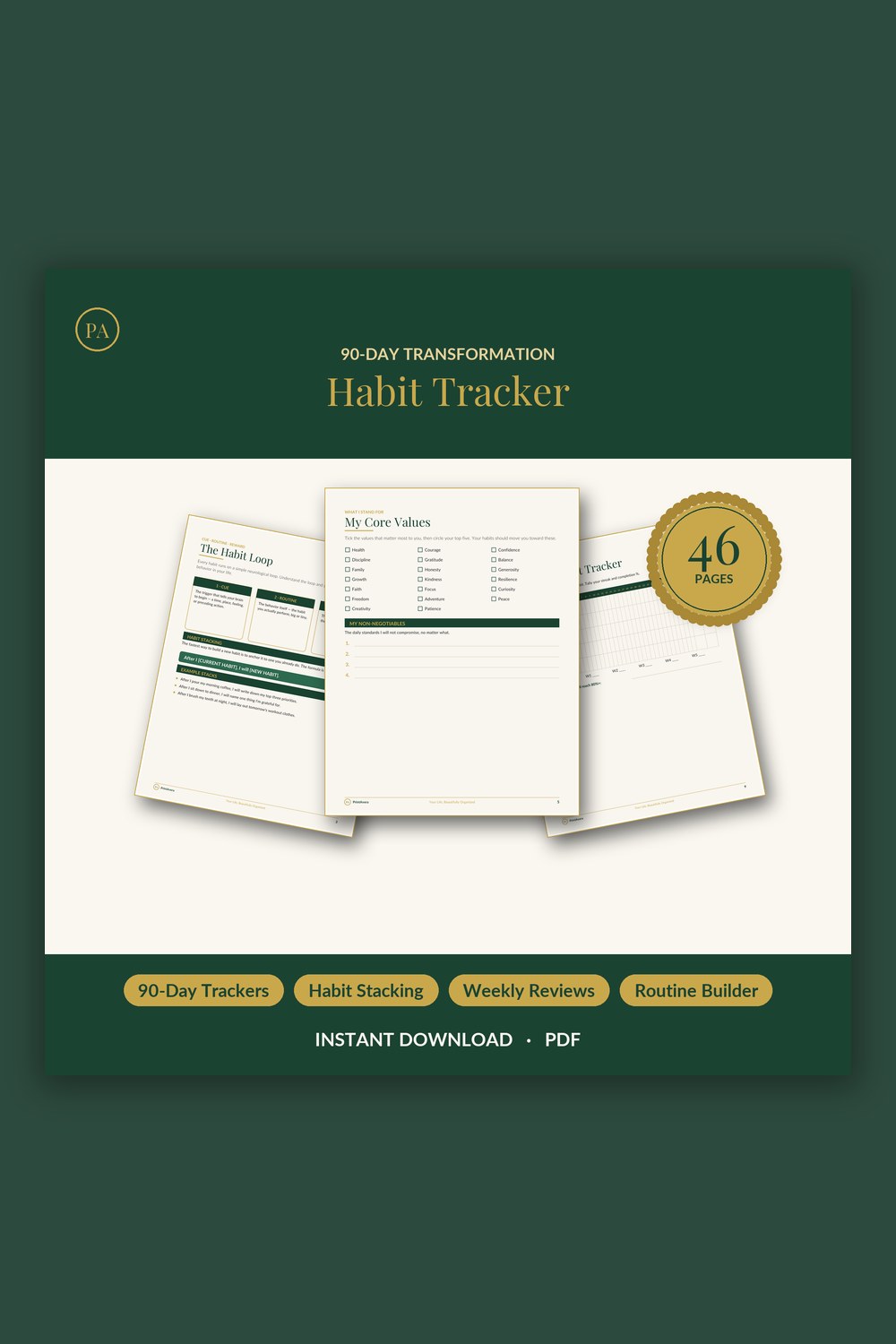
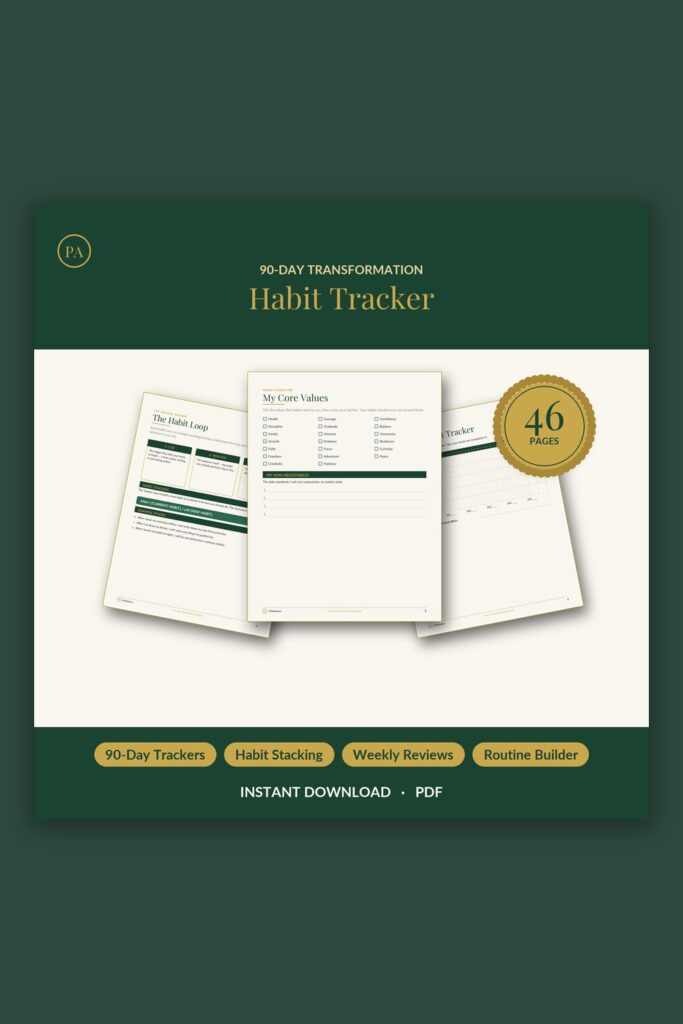
Habit Tracker Printable
Build life-changing habits in 90 days with a calm, beautiful tracking system you'll actually want to use.
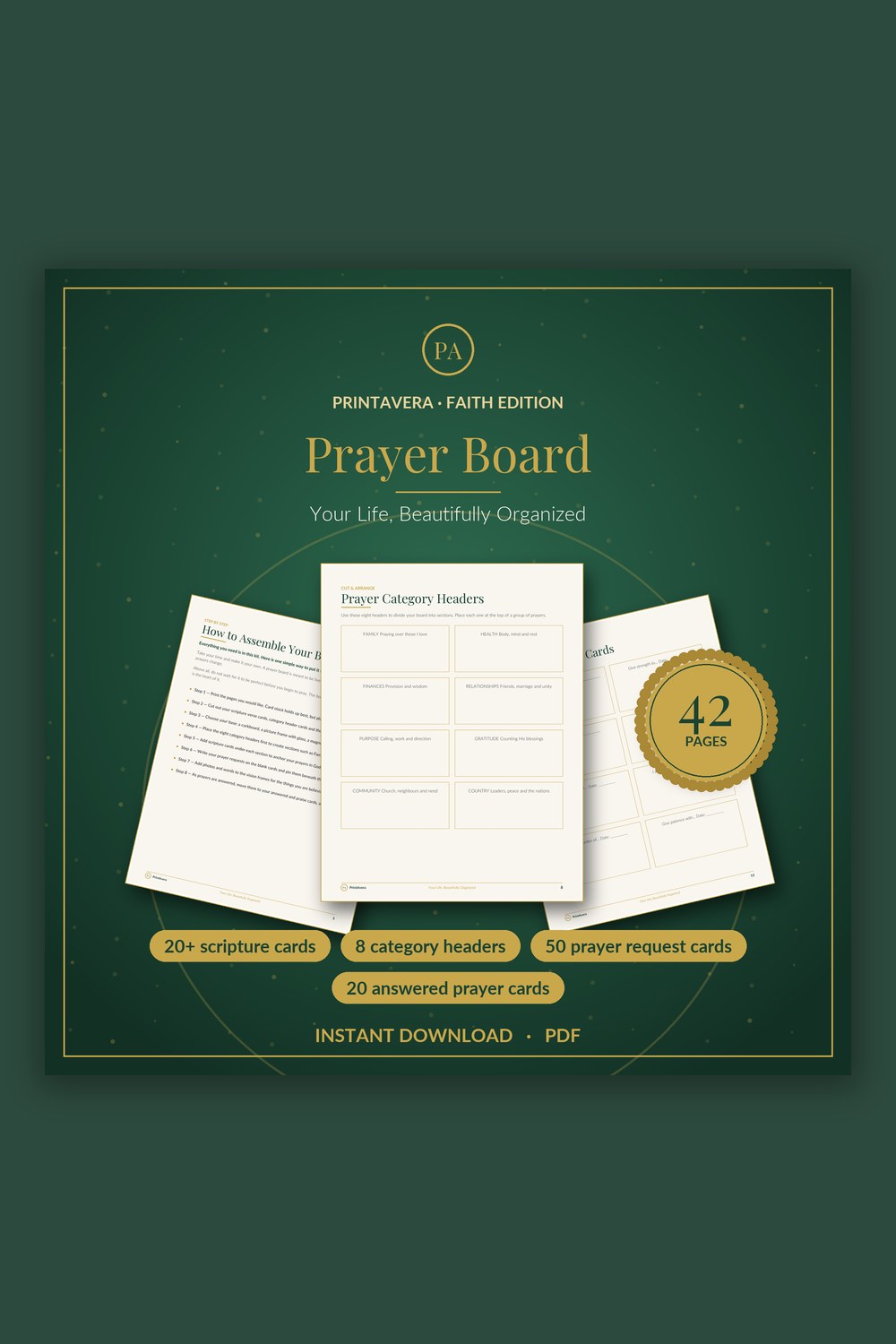
Prayer Board Printable
A beautiful printable kit to build your own prayer board — scripture cards, prayer request cards and answered-prayer pages to bring your prayers to life and watch God work over time.
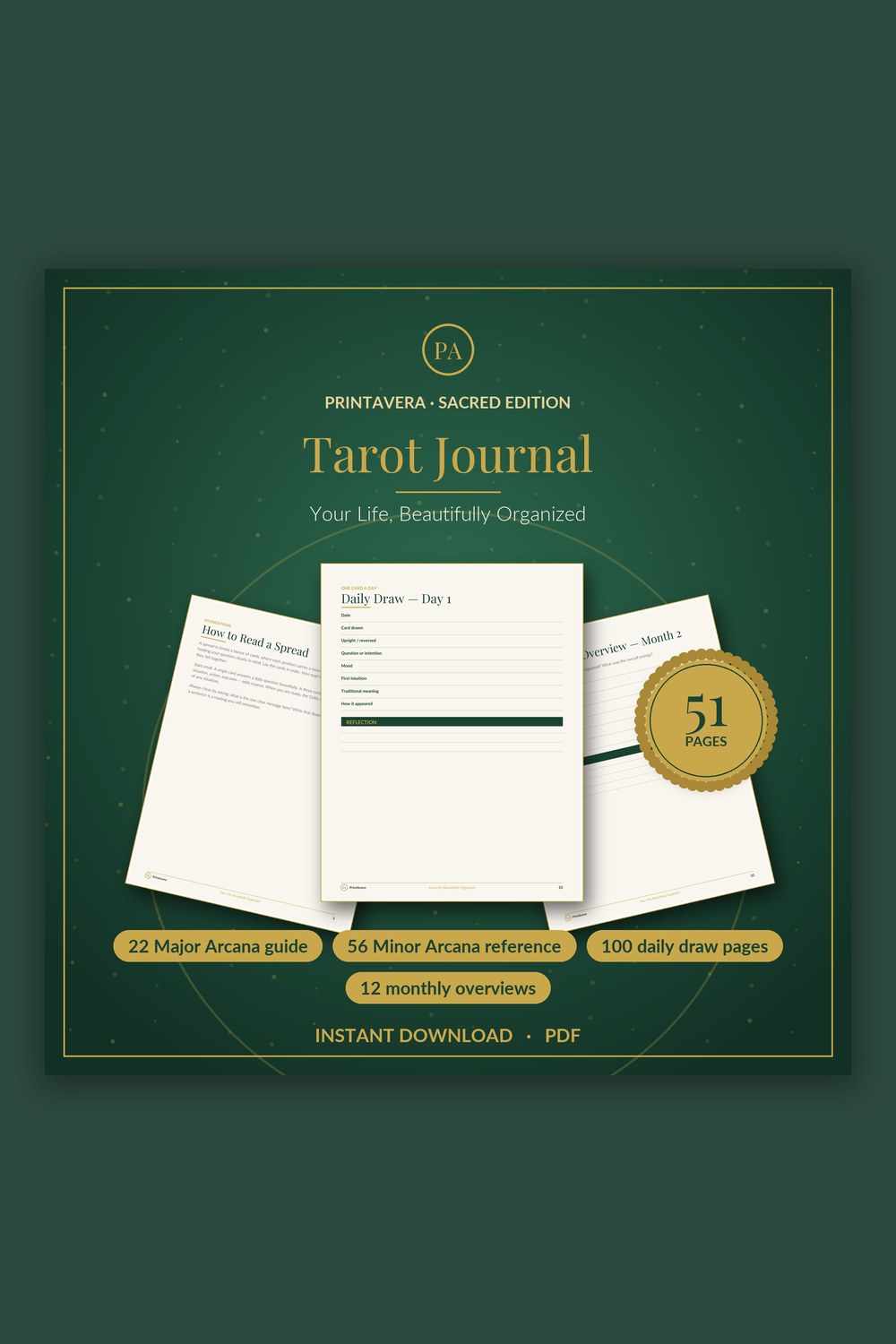
Tarot Card Tracker Journal
A sacred, beautifully designed space to record every reading, learn each card by heart, and watch your intuition grow — from your first daily draw to the Celtic Cross.
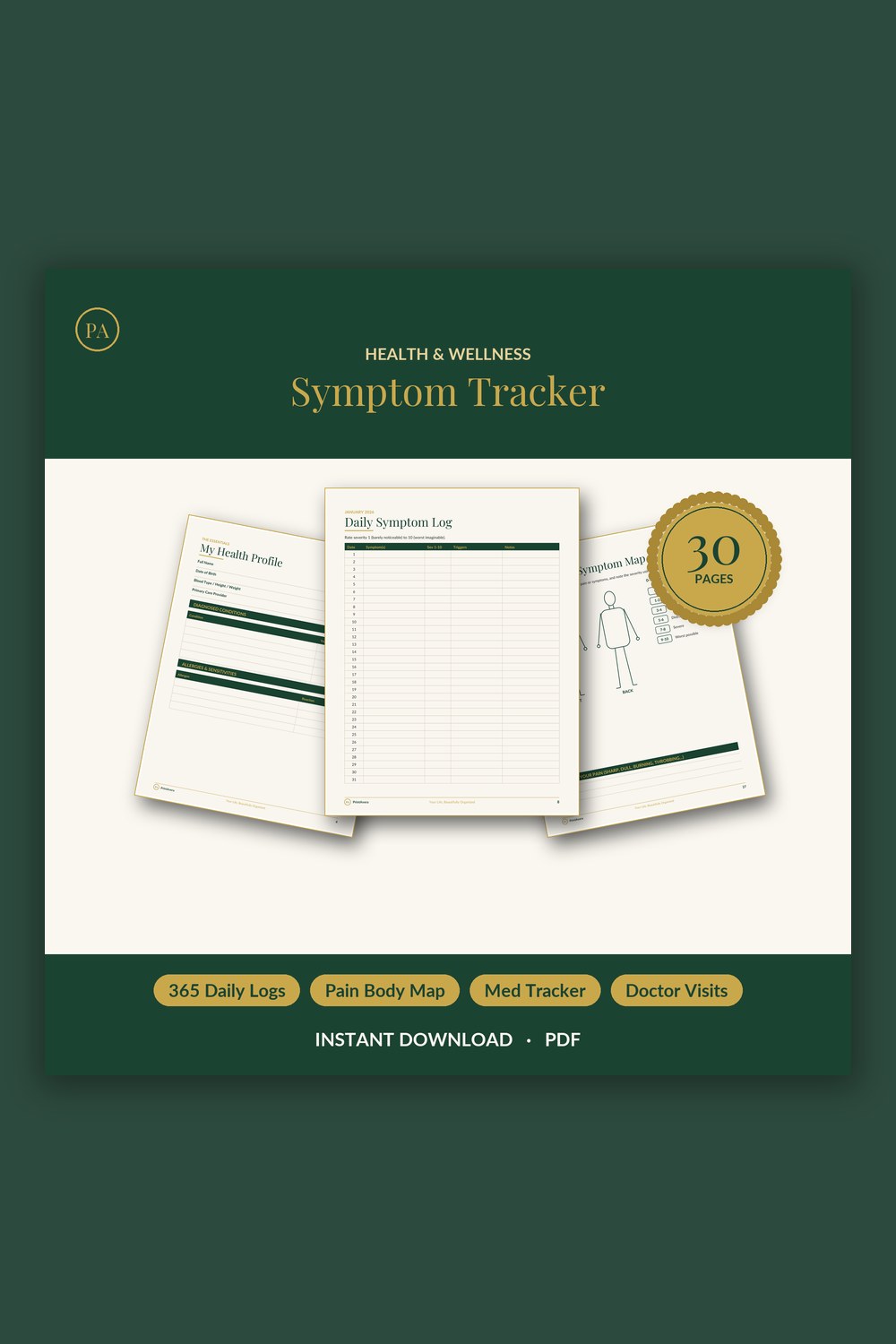
Symptom Tracker Printable
A warm, clear symptom journal that turns scattered bad days into a clear story you can hand your doctor.
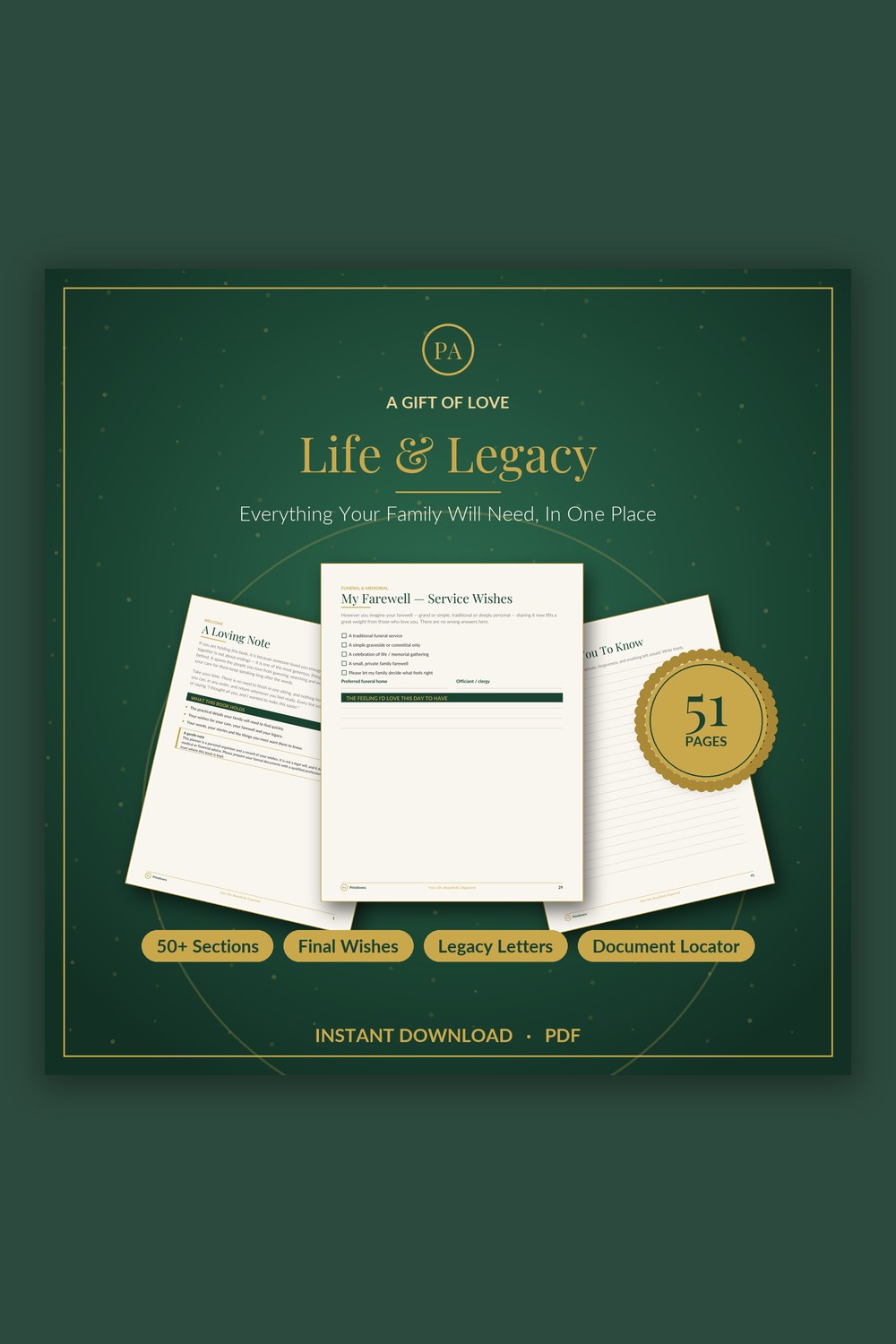
End of Life Planner
A warm, dignified place to gather everything your family will need, and leave behind your wishes, your words and your love.
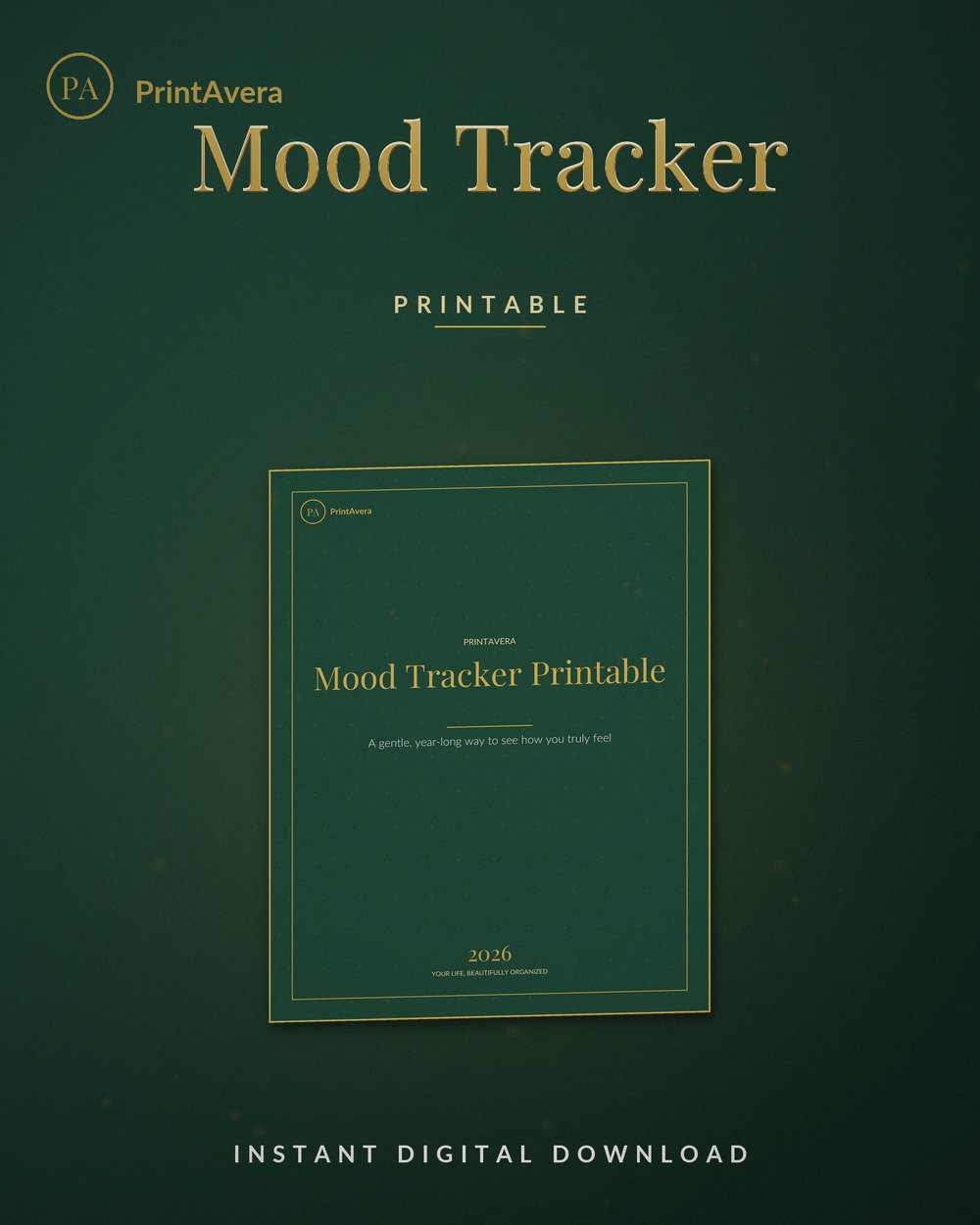
Mood Tracker Printable
A warm, year-long mood tracker printable to see how you truly feel, one gentle day at a time
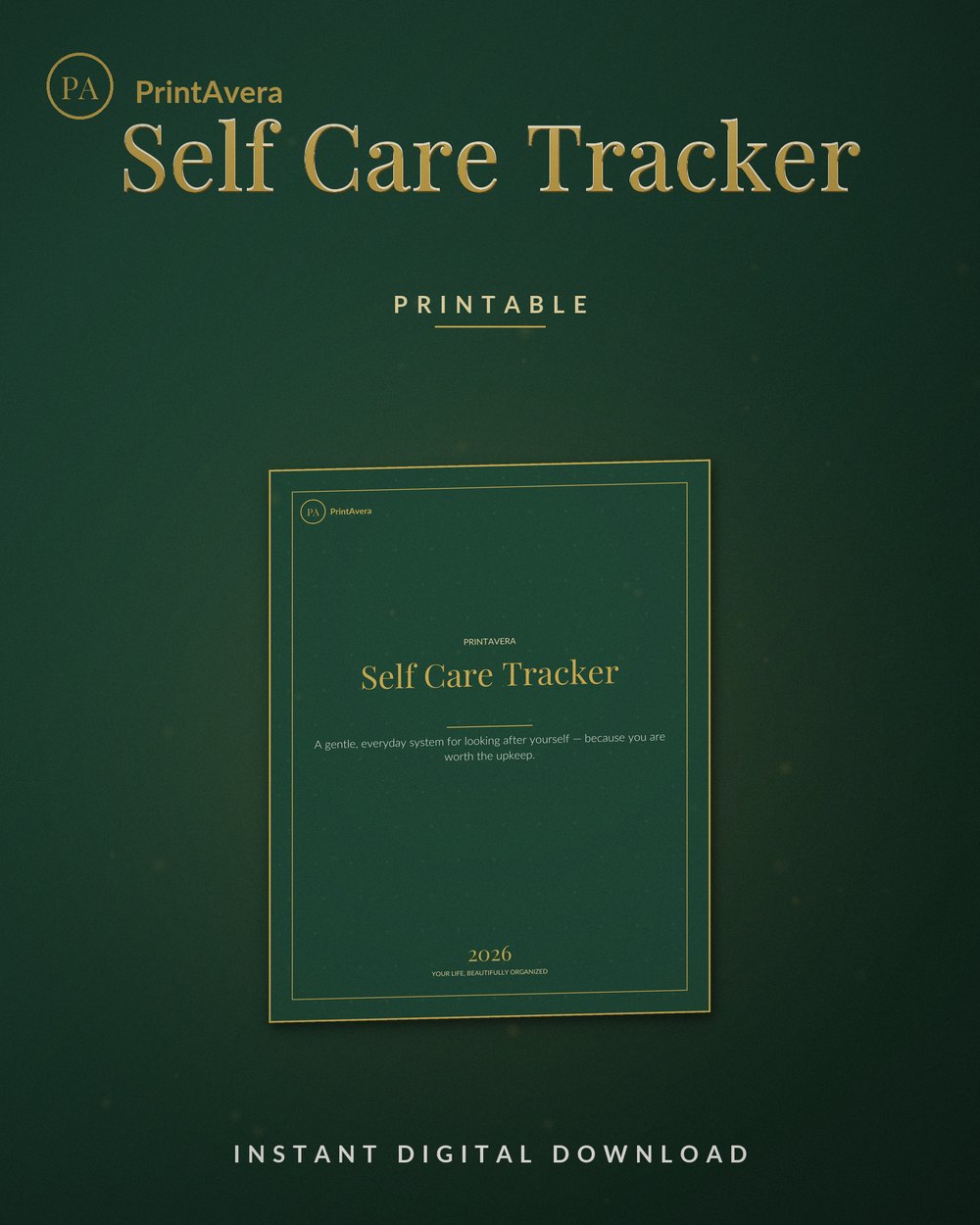
Self Care Tracker Printable
A warm, complete self care tracker printable that turns looking after yourself into a gentle daily habit
Mental Health Journal
A warm, 50-page mental health journal printable to check in with your mood, calm anxious thoughts, and care for yourself with…
Period Tracker Printable
A calm, complete period tracker printable to understand your whole cycle — not just the days you bleed
Gratitude Journal Printable
A warm, complete gratitude journal printable that turns noticing the good into a gentle daily habit
Water Intake Tracker
A simple, satisfying water intake tracker printable that finally makes drinking enough water a daily habit
The Complete Guide
What self care actually is, once you unlearn the version you were sold
The word has been stretched so thin it barely means anything now. Somewhere along the way self care became a shopping category, a soft-lit evening of face masks and expensive tea that you are meant to feel restored by and quietly guilty about if you cannot afford. Real care is far plainer than that, and far more forgiving. It is drinking water when you notice you are parched. It is the phone call you keep dodging, made at last. It is letting the laundry wait so you can lie down. None of it photographs well, and all of it matters more than the version with better lighting.
Real self care rarely photographs well, and almost always matters more than the version that does.
It helps to think of yourself the way you would think of anything you depend on and want to last. A car needs oil and rest and the occasional quiet week in the garage, and nobody calls that pampering. You are allowed the same maintenance without the label of indulgence attached. When care is framed as a treat, you only reach for it once you are already running on empty, which is precisely the moment it is least able to help. When it is framed as upkeep, you do the small things steadily, before the tank hits zero, and the steadiness is what keeps you from the crash entirely.
This is where a gentle sense of routine earns its place, not as a discipline to fail at but as a scaffold to lean on. A morning routine tracker or a simple routine tracker is not there to police you. It is there to hold the shape of a good day when your own mind is too foggy to hold it, so that even on the flat, grey mornings there is a small path already laid out. You are not lazy for needing that scaffold. You are human, and humans do far better when the next kind thing to do is already written down and waiting.
- Treat rest as maintenance you are entitled to, not a reward you must first earn.
- Do the small, unglamorous things early, before you are running on empty.
- Let a routine tracker hold the shape of a good day when your mind cannot.
- Measure care by how you feel afterwards, not by how well it photographs.
Building small rituals that survive the bad days
The trouble with most self care plans is that they are designed for the version of you who is already doing well. They assume energy, motivation, a clear head, all the things that vanish precisely when you need care the most. A ritual only earns its keep if it still works on the worst days, so the trick is to build it small enough that a depleted, foggy, tearful version of you could still manage it. Not thirty minutes of journalling, but one honest line. Not a full workout, but stepping outside for the length of one song. The bar has to be low enough to clear when you are crawling.
A ritual that shatters the moment you break the streak was never a kindness, only another test.
Anchoring the ritual to something you already do makes it far more likely to stick, because you are no longer relying on memory or mood to prompt you. After I switch off the bedside lamp, I will name one thing that did not go badly today. After I fill the kettle, I will take three slow breaths while it boils. These are so small they feel almost silly, and that is the point. A daily habit tracker gives these tiny anchors a place to live, and marking even one small square on a hard day is a quiet act of self respect. A 90-Day Habit Tracker is built for exactly this slow, forgiving work, giving a full season of small squares rather than the pressure of a perfect chain.
Missing a day is not a failure, and this matters more than almost anything else here. A ritual that shatters the moment you break the streak was never a kindness, it was another test. The aim is never to be flawless. It is to begin again gently, without the day you slipped meaning anything at all about your worth. Some weeks the whole of your self care will be one deep breath and going to bed. That still counts. The people who keep their rituals over the long run are not the ones who never falter. They are the ones who forgive the falter and quietly return.
- Design each ritual for your worst day, not your best, so it holds when you need it.
- Anchor a tiny new habit to something you already do without thinking.
- Let marking one square on a hard day count as a full, valid act of care.
- Treat a missed day as nothing more than a nudge to begin again tomorrow.
Reader Favourite
Habit Tracker Printable
Build life-changing habits in 90 days with a calm, beautiful tracking system you'll actually want to use.
Tracking your mood and energy gently, without turning feelings into homework
There is a real difference between watching your feelings kindly and grading them. A mood tracker printable can go either way, depending entirely on how you hold it. Used with curiosity, it becomes a soft record of your inner weather, a way to notice that the heavy days often follow poor sleep, or that a particular week each month reliably pulls you down. Used with judgement, it just becomes one more place to feel like you are doing life wrong. The whole value lives in that difference, so approach it the way you would a friend asking how you slept, not an exam you might fail.
Approach a mood tracker the way a friend asks how you slept, not the way an exam asks what you know.
Keep the method as light as the feeling you are trying to catch. A weekly mood tracker with a simple colour for each day is often plenty; you do not need to write an essay about your sorrow to learn something useful from it. Many people find a bullet journal mood tracker printable, or a mood tracker bullet journal spread, gives just enough structure to make the noticing a small daily habit rather than a chore. Adding a quiet emotion tracker, or a line about your energy alongside your mood, slowly reveals the connections between how you feel, how you slept, and what you asked of yourself, which is often where the gentlest insights hide.
The point of all this noticing is never the data itself. It is the small corrections it lets you make with a lighter hand. When a pattern shows itself on the page, you can respond to the cause rather than white-knuckling through the symptom, protecting an early night before the tired week arrives instead of collapsing after it. A mental health tracker, or a mental health tracker journal, works best alongside your rituals rather than instead of them, quietly showing you which small acts of care actually move the needle. And on the days the tracker stays blank, that is information too, usually that you needed rest more than you needed a record.
- Hold a mood tracker with curiosity, never as a grade on your feelings.
- Keep it light: one colour a day in a weekly mood tracker is often enough.
- Note energy and sleep beside mood to spot the patterns you are too close to see.
- Let a blank day stand as its own quiet message that you needed rest, not records.
The quiet role of faith, reflection and ritual
For a great many people, care for the mind is inseparable from care for the spirit, and it feels like a strange omission to leave that out of a page about wellness. Whether your practice is prayer, meditation, a few lines of scripture, or simply sitting in stillness with a cup of something warm, ritual gives the day an anchor that has nothing to do with productivity. It asks nothing of you except presence. In seasons when everything else feels uncertain, a familiar rhythm of reflection can be one of the steadiest things you own, a place the noise cannot quite reach.
In uncertain seasons, a familiar rhythm of reflection can be the steadiest thing you own.
What these practices share is a gentle turning of attention outward, or inward, away from the churn of the to-do list and toward something larger and calmer than the day's small emergencies. A Prayer Board Printable can hold the people and hopes you are carrying, so that intention has a visible home rather than swirling loosely in an anxious mind. For those drawn to more contemplative or symbolic reflection, a Tarot Card Tracker Journal offers a structured way to sit with a daily prompt and notice what surfaces, used not as fortune telling but as a mirror for the questions already stirring in you.
You do not need to be certain of anything to benefit from a reflective practice, and you certainly do not need to get it right. The value is in the returning, the small daily gesture of pausing before the day sweeps you off. Keep it brief and keep it yours: a single breath of gratitude, one honest sentence written down, a moment of quiet before you reach for your phone. Reflection sits alongside your other rituals as the part that tends to meaning rather than tasks, and in the long, tiring stretches of a life, meaning is often the thing that keeps the cup from emptying entirely.
- Choose a reflective anchor that asks for presence, not performance or perfection.
- Give hopes and worries a visible home so they stop swirling loosely in your mind.
- Use a daily prompt as a mirror for your own questions, not a verdict on your future.
- Keep the practice brief and yours; the value is in returning, not in getting it right.
Find your perfect Self-Care & Mental Health printable
Each design is an instant digital download — buy it, download it, and start today. Print at home or use it on any tablet.
Boundaries and rest as the foundation, not the reward
Everything gentle we have talked about rests on a harder truth: you cannot care for yourself while saying yes to everything and everyone. Boundaries are the least soothing form of self care and often the most important, because they protect the very energy that all the rituals in the world depend on. A boundary is not a rejection of other people. It is an honest account of what you actually have to give, so that what you do offer is real rather than resentful. Learning to say I cannot take that on right now is not selfish. It is the maintenance that keeps you from breaking in a way that helps no one.
Rest belongs in the same category, and it deserves to be defended just as fiercely. We have absorbed the idea that rest must be earned, that lying down in daylight is a small moral failure, and it leaves people running themselves into the ground and calling it virtue. Rest is not the reward for the work; it is part of the work, the pause that lets everything else function. A health planner or a broader life planner can help you schedule rest on purpose rather than waiting for it to arrive, treating a quiet evening as a genuine appointment rather than the first thing you cancel when the day gets full.
There is a longer view of rest, too, that goes beyond a single quiet evening. Taking stock of what actually matters to you, of the people and values you want your time to serve, quietly makes it easier to say no to the rest without guilt. A tool like My Life & Legacy Planner is made for that wider reflection, helping you name what you want your days to add up to, so that your boundaries have something to protect rather than being drawn in the dark. When you are clear about what the cup is for, it becomes far more natural to guard what goes into it, and to refill it before it runs dry.
- Treat a clear no as maintenance that protects the energy your rituals depend on.
- Schedule rest on purpose so it is an appointment, not the first thing you cancel.
- Name what your days are meant to serve, so your boundaries have something to guard.
- Refill the cup before it empties; recovery is far slower once it has run dry.
Frequently Asked Questions
I feel too exhausted for self care. Where do I even start?
Start smaller than feels reasonable, and please do not add self care to the list of things you are failing at. When you are truly depleted, a full routine is not kindness, it is another demand. Pick one tiny act you could manage on your worst day: a glass of water, opening a window, going to bed twenty minutes earlier. That is genuinely enough for now. A daily habit tracker can hold that single tiny anchor so you do not have to remember it, and marking one square counts fully. Care compounds the way anything does, one small, forgiving act at a time. You are not behind, and there is no version of this you are supposed to have finished by now.
Are these tools a substitute for therapy or professional mental-health care?
No, and it matters to say this gently and clearly. These are supportive tools for organising, tracking and reflecting, and they are meant to sit alongside professional care, never in place of it. A self care tracker or a mental health tracker can help you notice patterns and bring them to someone qualified, but they cannot diagnose, treat, or replace a doctor, therapist, or counsellor. If you are struggling, especially if things feel dark or unsafe, please reach out to a professional or a trusted support line. Think of these printables as a caring companion for the everyday upkeep, one that can actually help you have a clearer conversation with the people trained to support you properly.
How is a mood tracker meant to help rather than make me overthink?
The difference is entirely in how you hold it. A mood tracker printable used with curiosity is a soft record of your inner weather, helping you notice, for instance, that heavy days often follow poor sleep. Used as a grade on your feelings, it just becomes another way to feel wrong. Keep it light: a single colour a day on a weekly mood tracker is plenty, with no essay required. The aim is gentle noticing, not analysis, so that you can respond to a pattern early instead of pushing through. And if a day stays blank, that is fine too, usually a sign you needed rest more than you needed a record.
What if I keep breaking my streak and giving up?
Then the streak was probably asking too much, and the answer is almost never more pressure. A ritual that collapses the moment you miss a day was never really a kindness. Shrink the habit until a tired, foggy version of you could still manage it, anchor it to something you already do, and let a missed day mean nothing at all about your worth. This is exactly why a 90-Day Habit Tracker offers a whole forgiving season of small squares rather than one fragile chain you are terrified to break. The real skill is not never faltering. It is returning gently afterwards, and that is a skill anyone can learn with time.
Where does faith or reflection fit into looking after my mental health?
For many people, care for the mind and care for the spirit are simply the same act. A reflective practice, whether prayer, meditation, or a quiet moment of gratitude, gives the day an anchor that asks nothing of you but presence. It is a place the noise cannot quite reach. A Prayer Board Printable can hold the people and hopes you are carrying so they have a visible home, while a Tarot Card Tracker Journal offers a structured way to sit with a daily prompt as a mirror for your own questions. You need not be certain of anything to benefit. The value lives in the returning, the small daily pause before the day sweeps you along.
Is it selfish to set boundaries and prioritise rest?
It can feel that way, especially if you have spent years measuring your worth by how much you give. But a boundary is simply an honest account of what you actually have to offer, so that what you give is real rather than resentful. Rest is not a reward you must earn; it is part of the work, the pause that lets everything else keep functioning. Using a health planner or a life planner to schedule rest on purpose, and to name what your days are really meant to serve, makes it far easier to say no without the guilt. You cannot pour from an empty cup, so guarding what goes into yours is care, not selfishness.
How are these planners and trackers delivered?
Most items are instant digital downloads, so once you have checked out you receive a file to save and use straight away, with no waiting for anything to arrive. Printables like the 90-Day Habit Tracker or My Health Symptom Tracker can be printed at home or at a copy shop as often as you like, which means you can reprint a fresh page whenever a new week or season begins. Because the file stays yours, you can reuse it gently for years, printing only what you have the energy for. It is a quiet, low-pressure way to set up a kinder system for yourself the very same day you decide to begin.
Why PrintAvera?
Every PrintAvera design is created in-house to a five-star standard — considered layouts, calm forest-green and gold styling, and typography chosen to make every page feel intentional. Each one is an instant digital download you can print at home or use on any tablet in minutes. Beautiful enough that you will actually want to use it, every single day.
Explore More Collections