PrintAvera Collection
Organized Living With Chronic Illness
Premium tracking tools designed with chronic illness in mind — because managing your health is a full-time job.
If you live with a chronic illness, you already know the part nobody warns you about: being sick is a job, and it is one you never applied for. There is the illness itself, and then there is the enormous, invisible admin that comes with it. Appointments to book, symptoms to remember, medications to reorder, lab results to chase, and a hundred small decisions about how to spend energy you do not have. Spoon theory gave many of us the words for this, a way to explain that each day begins with a limited number of spoons and that everything, even showering, quietly costs one. This page is for you, and it is written with genuine respect for how hard that is.
The tools we make here are not a cure and they are not a lecture. They are a way to put some of the mental load down onto paper, so your tired brain does not have to hold it all. A symptom tracker printable, a chronic pain tracker, a medical binder that keeps your history in one calm place: these are not about doing illness better or trying harder. They exist because remembering, sorting, and advocating for yourself takes real work, and that work deserves a proper system underneath it rather than another mental note you will lose by lunchtime. You are not disorganised. You are carrying a great deal, often on very little.
In this guide we will talk honestly about pacing and the energy envelope, about tracking symptoms so you can spot patterns and be believed at appointments, and about keeping medications and lab results organised without it becoming yet another chore. We will look at how food lists, from a diabetic meal planner to a DASH diet food list, can be genuinely useful rather than one more source of guilt. And we will talk about the emotional weight of all of it, because self-compassion is not a soft extra here. For a body that keeps score, it is part of the treatment plan, even if no clinic ever writes it down.
Shop the Collection
Chronic Illness Printables
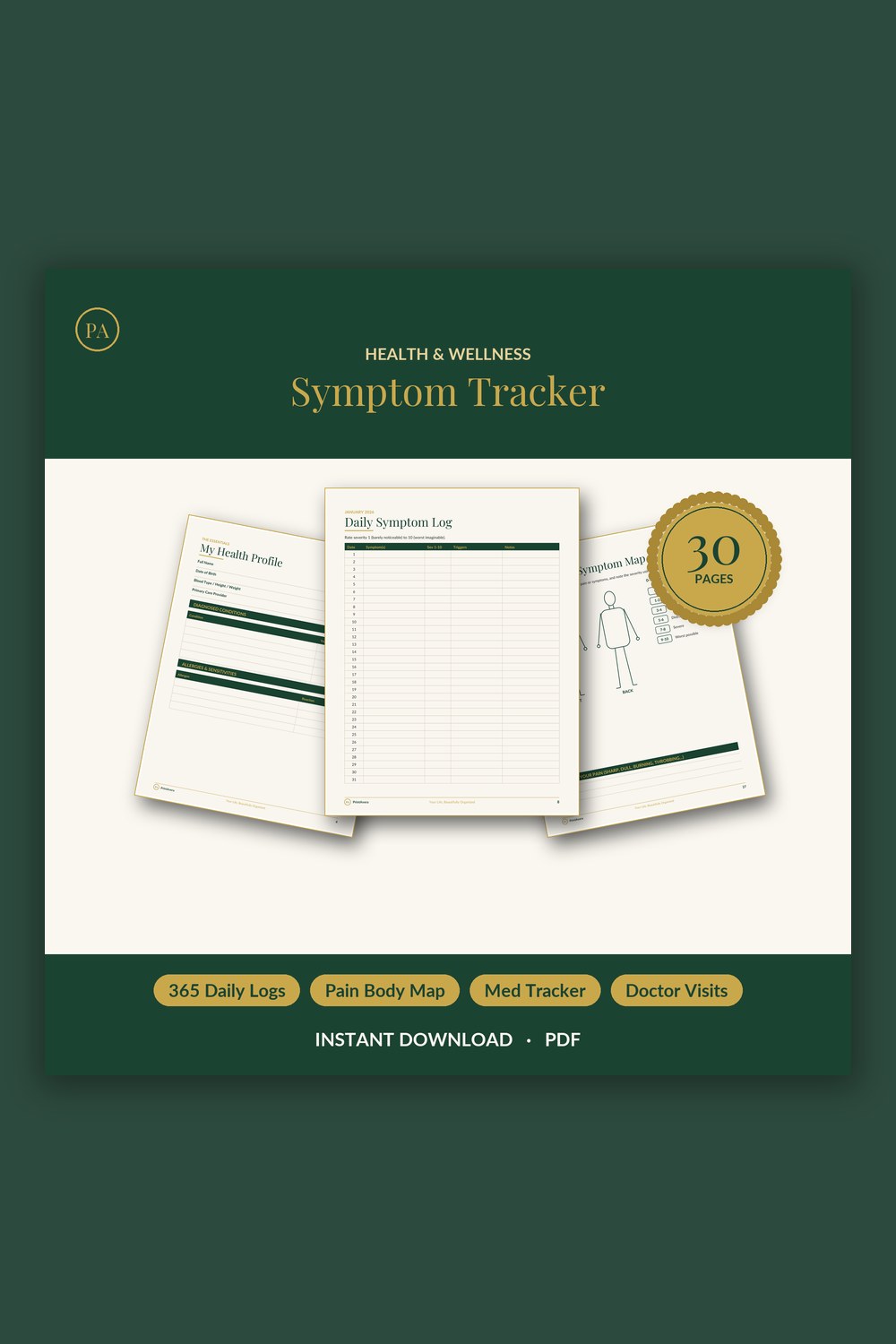
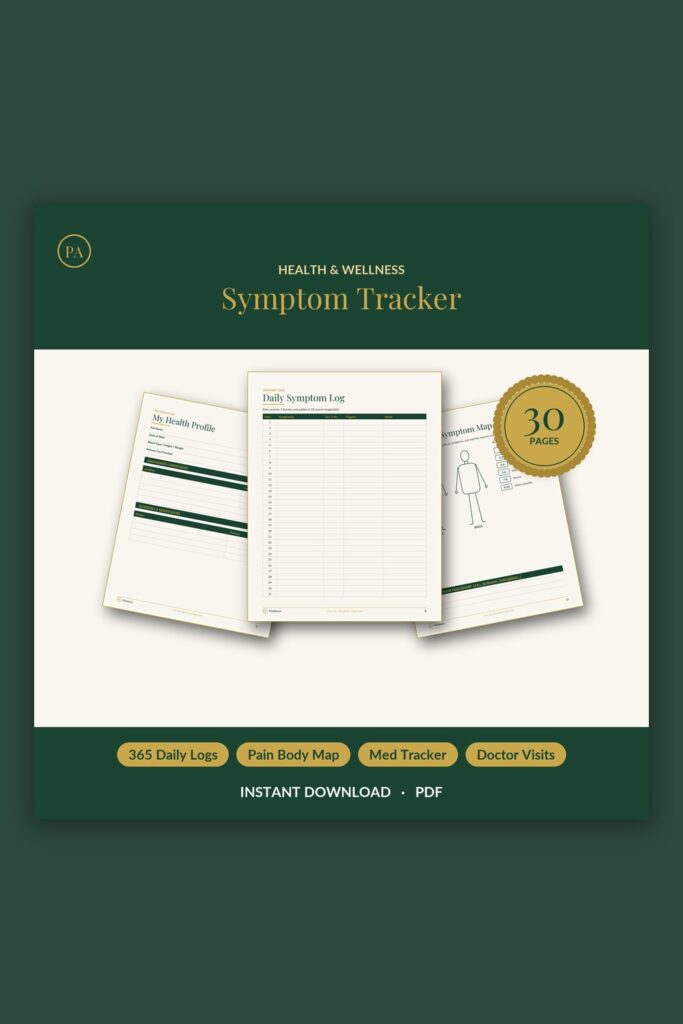
Symptom Tracker Printable
A warm, clear symptom journal that turns scattered bad days into a clear story you can hand your doctor.
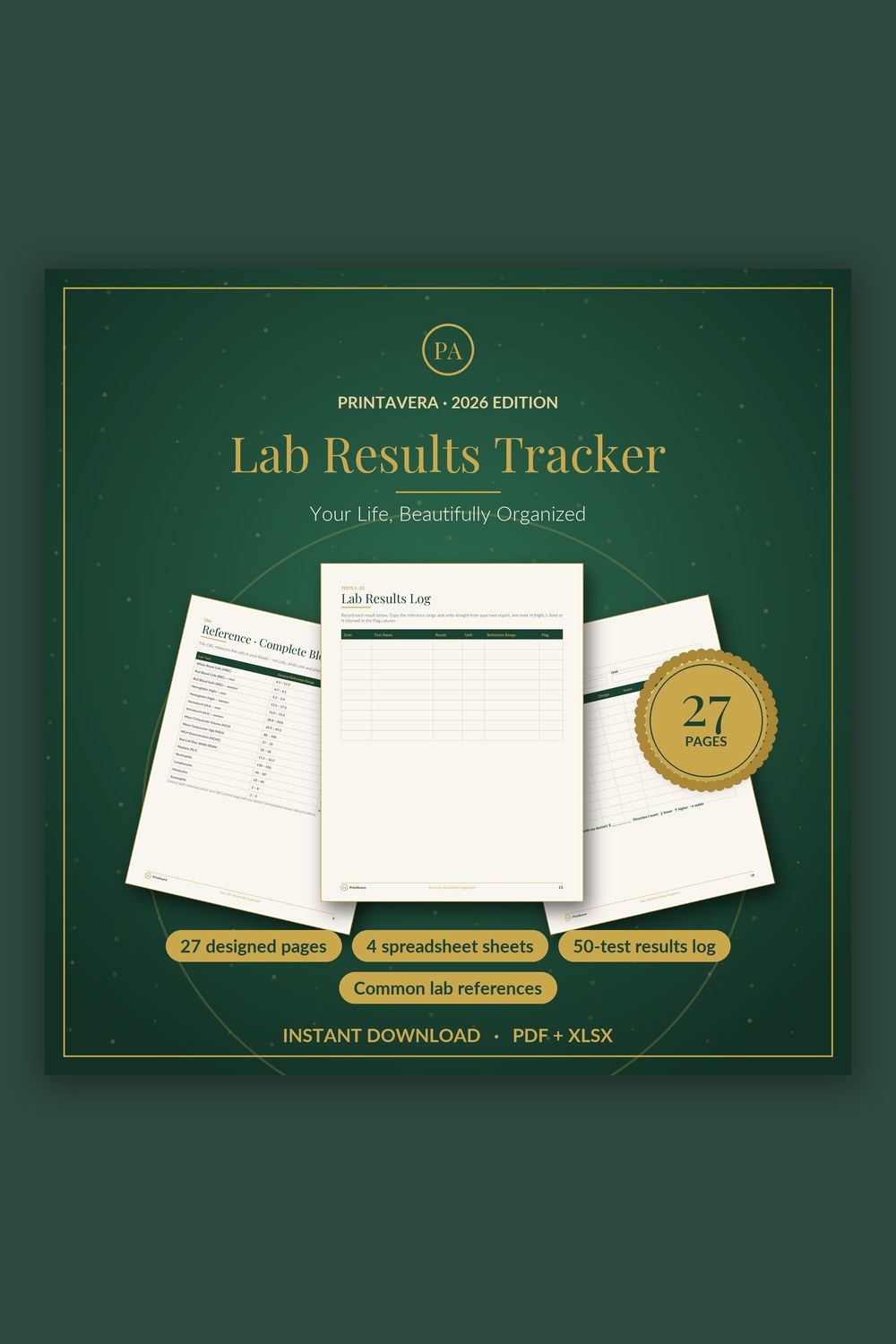
Lab Results Tracker Printable
Keep every blood test and lab result organized, readable, and ready for your next appointment
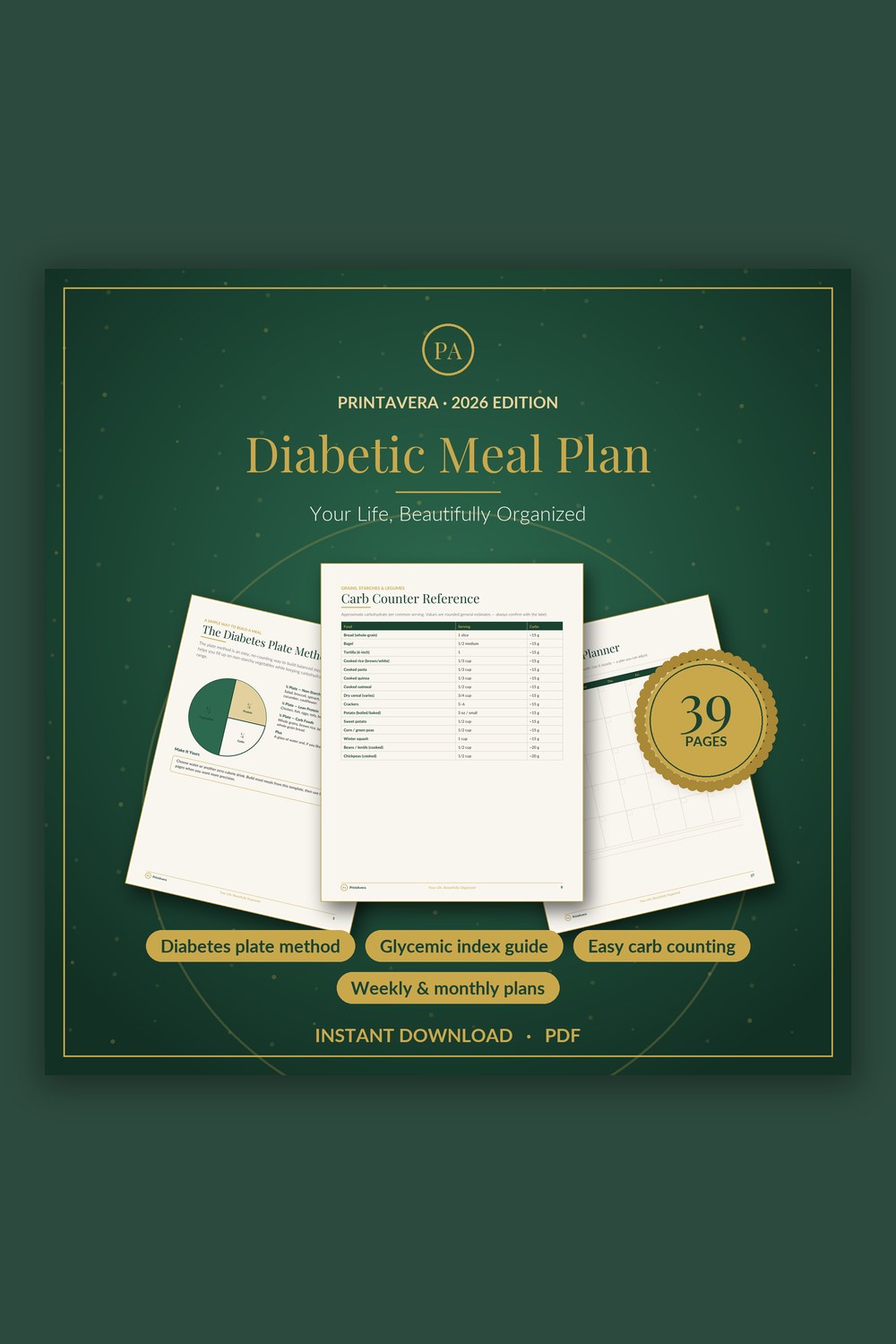
Diabetic Meal Planner Printable
Plan nourishing, blood-sugar-friendly meals with calm and confidence using this beautiful, dietitian-informed diabetic meal planner.
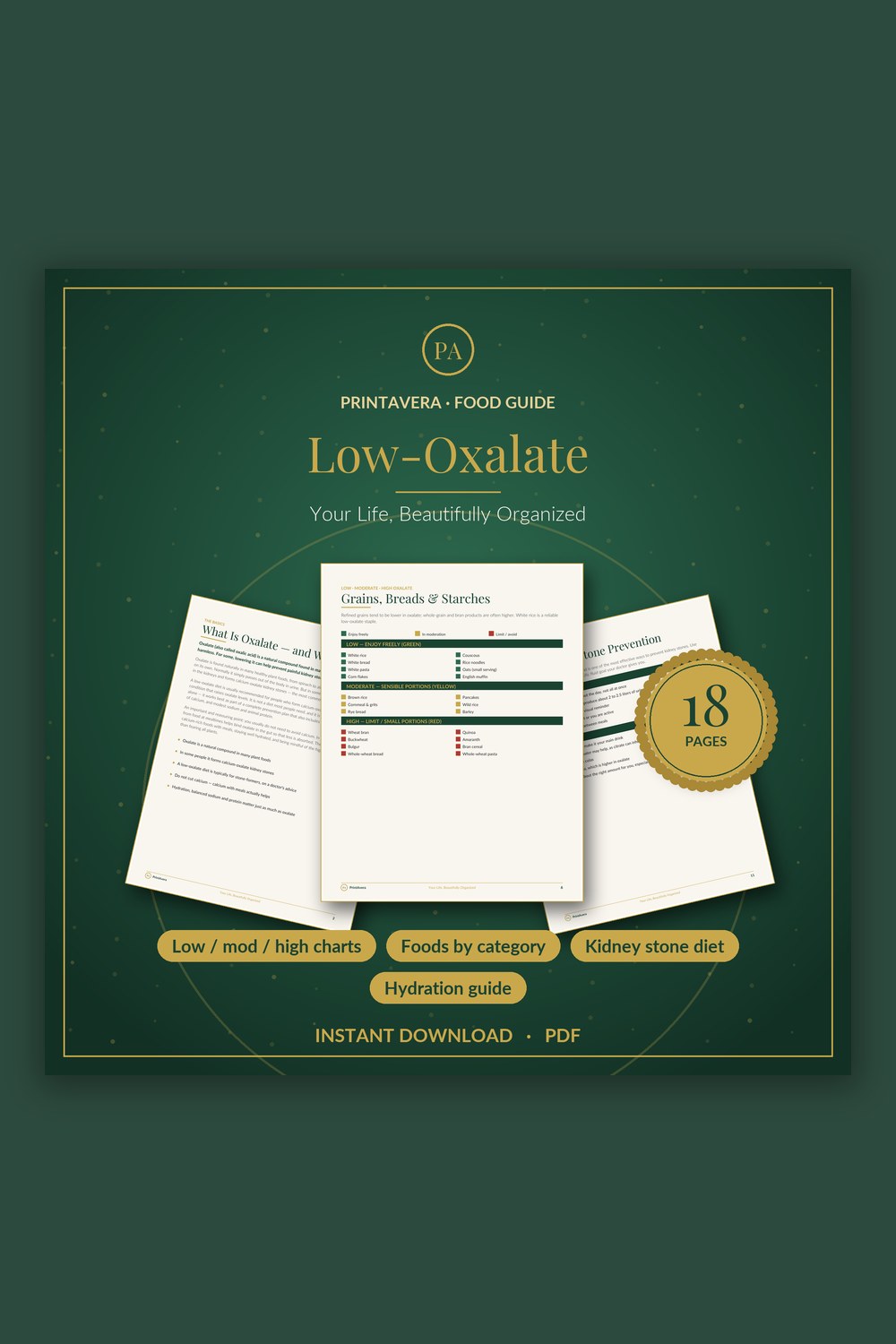
Low-Oxalate Foods Printable
A clear, gentle low-oxalate food guide for kidney-stone prevention — every food color-coded low, moderate or high, with a meal plan, hydration guide and shopping list to make a tricky diet feel simple.
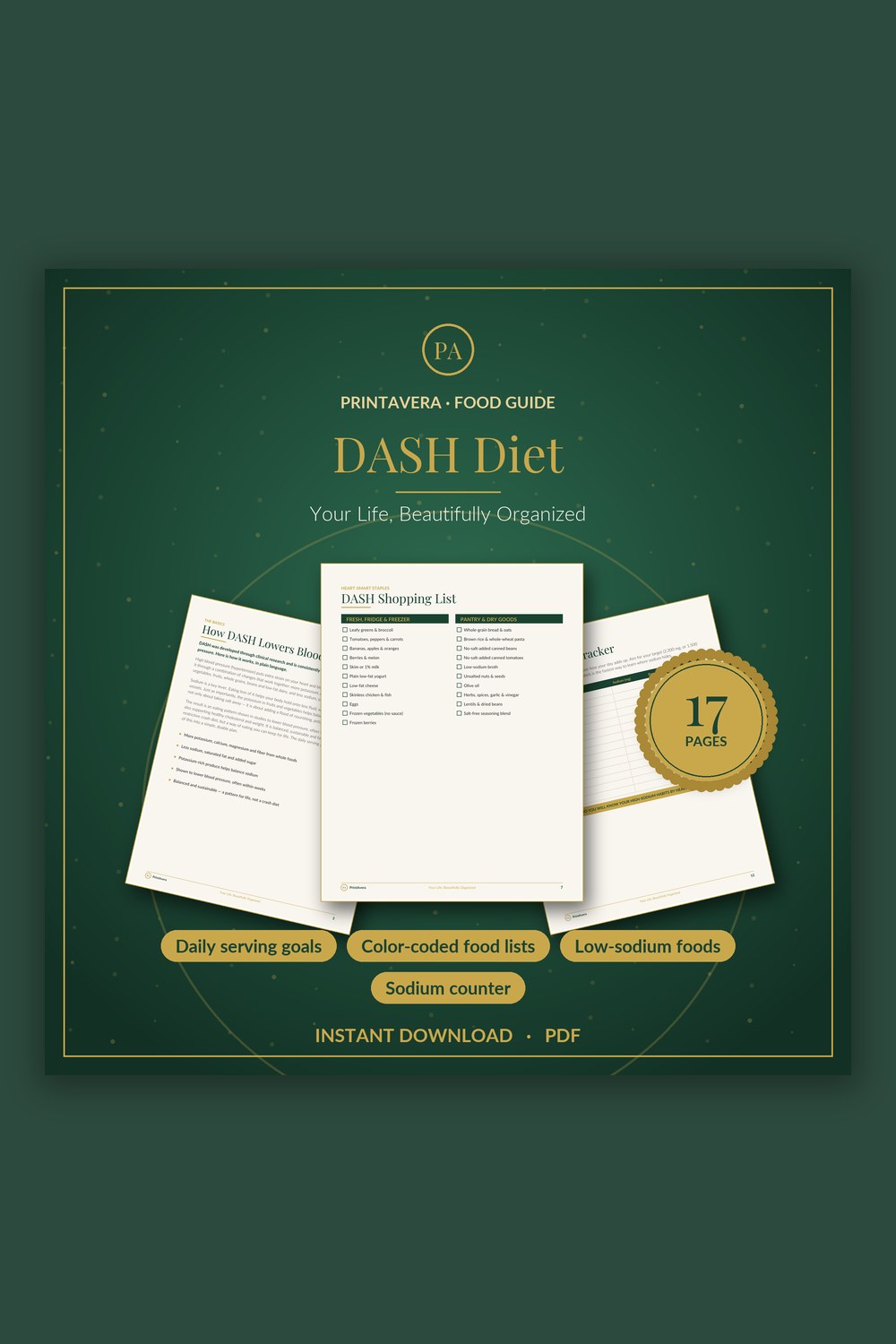
DASH Diet Food List Printable
A clear, encouraging DASH diet guide to eat your way to lower blood pressure — daily serving goals, color-coded food lists, a sodium counter, a 7-day plan and blood-pressure tracking, all in one calm printable.
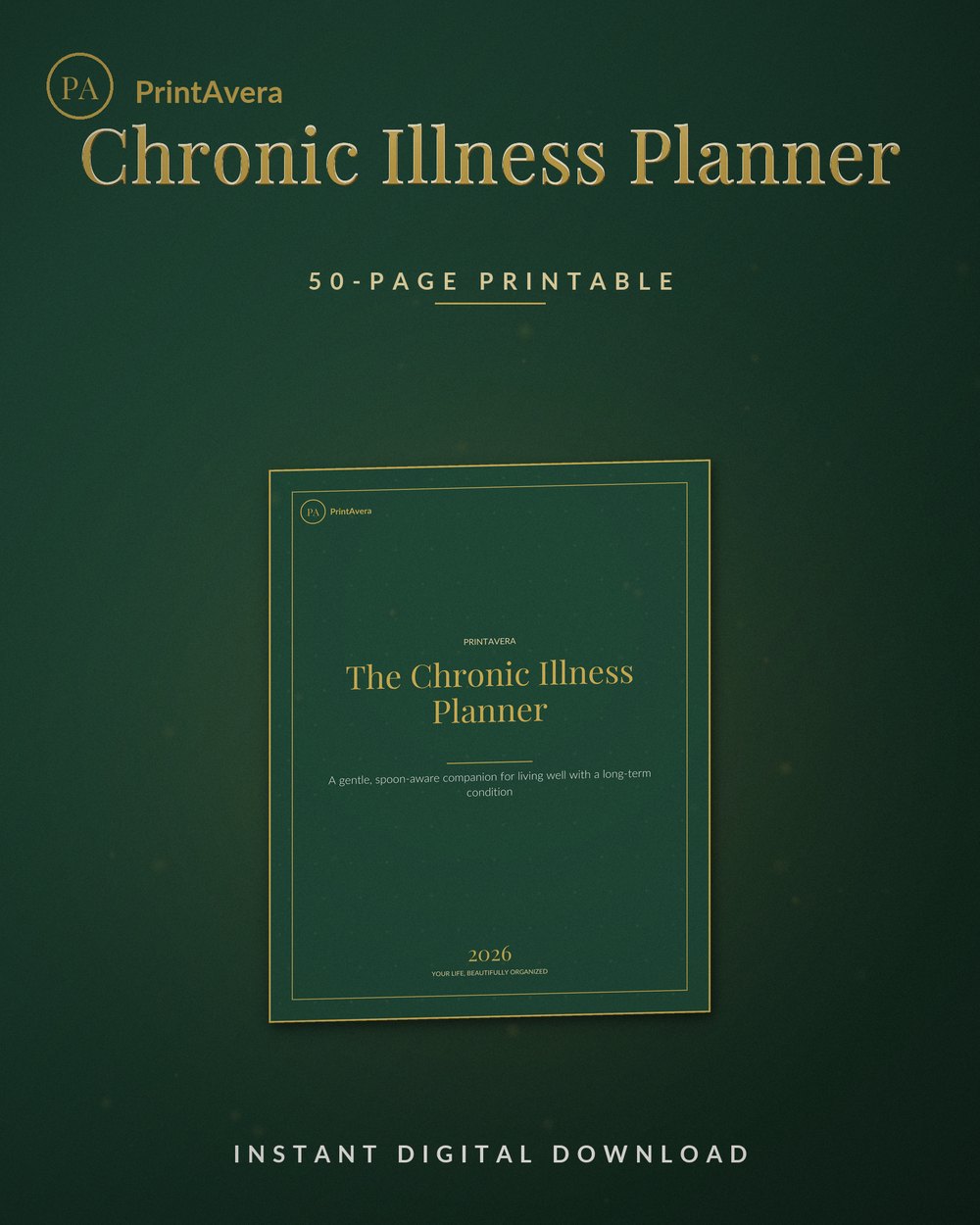
Chronic Illness Planner
A gentle, comprehensive chronic illness planner printable made for spoonies, with symptom tracking, a medication log, flare pages…
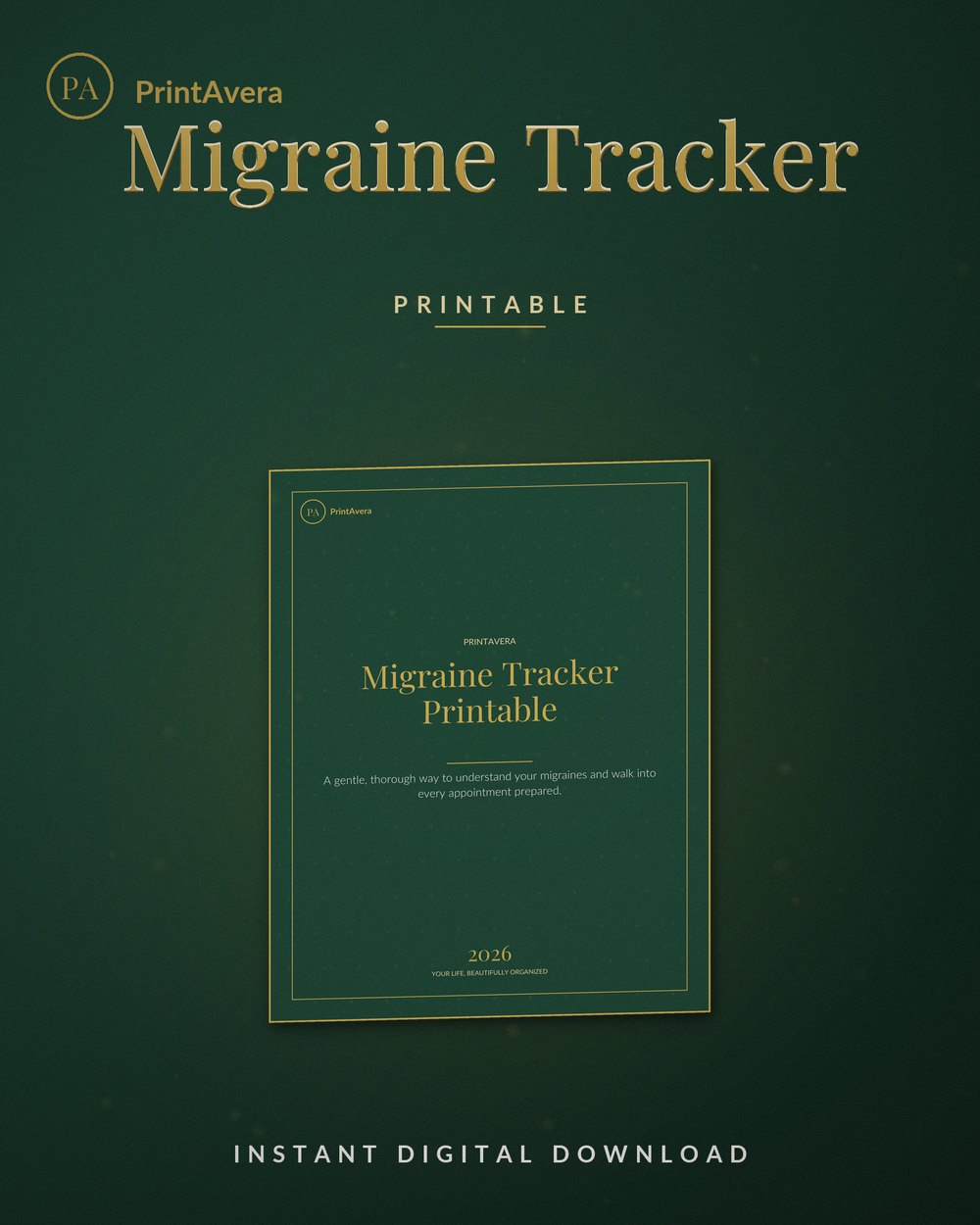
Migraine Tracker Printable
A migraine tracker printable that turns scattered attack days into clear patterns you can actually use
Blood Pressure Tracker
A calm, complete blood pressure log printable that keeps every reading in one clear place
The Complete Guide
Pacing, spoons and the energy envelope
Spoon theory endures because it is true in a way charts rarely capture. You wake with a finite number of spoons, and unlike a healthy person who can borrow against tomorrow with a strong coffee, spending beyond your limit tends to be punished, sometimes for days. This is the boom and bust cycle so many spoonies know by heart: a good morning, a burst of doing everything at once, and then a crash that costs far more than the task was worth. Pacing is the gentle discipline of spending inside your envelope rather than sprinting to the edge of it, and it is one of the few things genuinely within your control on a difficult day.
Pacing is not giving up on what you love. It is choosing it on purpose, and keeping enough back to enjoy it.
The trouble is that your energy envelope is invisible and it moves. What you could manage last Tuesday may be beyond you today for reasons no one can see. This is exactly where quiet tracking earns its place. When you note activity alongside how you felt afterwards, you begin to learn your own thresholds rather than guessing at them, and a wellness tracker or daily tracker becomes less a record of failure and more a map of your real limits. Over a few weeks a pattern usually surfaces, and patterns are what let you plan a week that your body might actually survive intact.
Pacing is not resignation, and it is not giving up on the things you love. It is choosing them on purpose. If a friend's birthday matters more than a tidy kitchen this week, then the kitchen waits, and that is a valid, adult decision rather than a moral failing. A chronic illness planner can help you see the whole week at once, so you spread demands out, place rest before the hard thing rather than only after it, and stop treating recovery as an afterthought. The goal is never to do more. It is to keep enough back that the crash does not come for you.
- Notice the cost of a task afterwards, not just before, so your estimates get more honest.
- Place a rest block before a demanding event, not only in the wreckage that follows it.
- Spread heavy tasks across the week instead of stacking them onto your one good day.
- Protect a small buffer of spoons for the days your body changes the rules without asking.
Tracking symptoms to spot patterns and be believed
Almost everyone with a long-term condition has sat in an appointment, been asked how things have been, and felt their mind go completely blank. The flare that ruined last month vanishes under the fluorescent lights, and you end up saying "not too bad, I suppose" when the truth was far worse. A daily symptom tracker exists for precisely that moment. When you have logged your pain, fatigue, sleep and symptoms as they happened, you walk in with evidence instead of a foggy memory, and that changes the conversation from a vague impression into something you can actually point to on the page.
A dated record is far harder to dismiss than a tired patient trying to remember a bad month.
Tracking also does something quieter and more powerful over time: it reveals patterns you could never hold in your head. A chronic pain tracker or a headache tracker kept over a few weeks might show that your worst days follow poor sleep, or a particular food, or the days you pushed past your envelope. Many people keep a food and symptom tracker for exactly this, gently narrowing down triggers without turning every meal into a police investigation. You do not need to log everything, every day, forever. You need enough steady data to see the shape of your own illness, which is often invisible from inside a single bad week.
There is a harder truth woven through this too. Medical gaslighting is real, and being dismissed or told it is all in your head is exhausting and demoralising, especially for women and for people whose conditions do not show up neatly on a scan. A well-kept chronic illness symptom tracker will not fix a broken system, but it does put concrete, dated information in your hands. It is far harder to wave away a written record of forty migraine days than a nervous patient trying to describe them from memory. Tracking is not proving you are unwell for someone else's benefit. It is arming yourself for a conversation you deserve to win.
- Log symptoms the day they happen, while the detail is still sharp, not from memory at the clinic.
- Rate pain, fatigue and sleep on a simple scale so trends are easy to see at a glance.
- Note possible triggers lightly, so a food and symptom tracker narrows things down over time.
- Bring the tracker to appointments so the conversation starts from evidence, not a blank mind.
Reader Favourite
Symptom Tracker Printable
A warm, clear symptom journal that turns scattered bad days into a clear story you can hand your doctor.
Keeping medications and lab results organised
When you see several specialists, take a handful of medications, and have a history that stretches back years, the paperwork alone can feel like a second illness. Which dose changed, and when? What did that blood test show in the spring? Did the rheumatologist know what the neurologist prescribed? A medical binder answers these questions in one calm place, so you are never rebuilding your own medical story from scratch in a waiting room. Our My Health Symptom Tracker sits naturally at the front of a setup like this, holding the day-to-day picture while the binder keeps the bigger record safe behind it.
Nothing important should live only in someone else's notes. Keep your own quiet copy of your story.
Lab results deserve their own quiet corner. Values drift over months and years, and a single reading rarely tells the whole story, yet clinics do not always hand you the trend. A Lab Results Tracker lets you keep your own numbers side by side over time, so you can see whether something is climbing, settling, or holding steady, and ask sharper questions because of it. Keeping a medication list printable up to date matters just as much, with doses, timings and the reason for each one, ready to hand to any new doctor or, in an emergency, to someone who needs it fast. This is not distrust of your care team. It is simply making sure nothing important lives only in one person's notes.
The kindest version of all this is a system you can actually keep up on a bad day. If your medication tracker asks for ten fields per entry, it will quietly collapse the first week you are too unwell to bother. Keep it light enough to survive a flare: a medicine list template you can update in a minute, a home binder you refill in one calm session a month, a single folder that holds the letters you would otherwise lose. The aim is not a beautiful archive. It is that when someone asks what you take or when a symptom started, the answer is right there, and you do not have to summon it through the fog.
- Keep a current medication list with doses, timings and the reason for each, ready to share.
- Log lab values over time so you can see trends rather than a single isolated reading.
- Hold letters, referrals and results in one medical binder instead of scattered across the house.
- Choose a format light enough to update on a flare day, or it will not survive one.
Using food lists without a new burden
For a lot of chronic conditions, food is part of the picture, whether that means watching blood sugar, lowering sodium, or avoiding a trigger that reliably makes things worse. The problem is that dietary advice often arrives as a wall of rules with no scaffolding, and "just eat differently" is spectacularly unhelpful when you have three spoons and cannot face the supermarket. A good food list turns that vague instruction into something you can glance at. A DASH Diet Food List, for instance, shows at a glance what fits and what to go easy on, so the thinking is done once, on paper, rather than every single time you open the fridge.
The best dietary tool is the one that removes decisions, not the one that piles on more.
The same gentleness applies to more specific needs. A Diabetic Meal Planner takes the daily arithmetic of managing blood sugar and gives it a home, so you are not recalculating from memory when your energy is already spent. A Low Oxalate Foods Printable does the quiet sorting for conditions where oxalates matter, turning a confusing category into a simple yes-and-no you can stick to the cupboard door. Paired with a straightforward meal planner and grocery list, these tools shrink the mental effort of eating well down to something a tired body can manage, which is the entire point. The best dietary tool is the one that removes decisions, not the one that adds them.
It is worth saying plainly, though, that food can become another stick to beat yourself with, and it should not. A trigger slips through, a hard week means beige convenience food, and none of that makes you a failure at being ill. Use a food list as a helpful map on the days you have the capacity, and let it wait on the days you do not. If tracking meals starts to feel like surveillance rather than support, that is a signal to loosen it, not to try harder. These lists are here to lighten the load. The moment one of them becomes a burden, it has stopped doing its job.
- Keep a food list somewhere visible so the right choice is the easy, low-effort one.
- Pair a meal planner with a grocery list to shrink cooking down to fewer decisions.
- Let convenience food be fine on low-spoon days without turning it into guilt.
- If tracking food starts to feel like surveillance, loosen it rather than push harder.
Find your perfect Chronic Illness printable
Each design is an instant digital download — buy it, download it, and start today. Print at home or use it on any tablet.
The emotional weight and being kind to yourself
We talk a great deal about symptoms and systems, and far too little about the grief that lives alongside a chronic illness. There is the person you were, the plans you quietly set down, the friends who drifted when you could not keep up, and the strange loneliness of a body that no longer does what you ask. This is real loss, and it does not need a diagnosis to be valid. Some days the heaviest thing you carry is not the pain itself but the weight of managing it forever, with no clear end, while trying to seem fine for everyone who finds your illness inconvenient. Naming that honestly is not self-pity. It is simply telling the truth.
This is where toxic positivity does genuine harm, and we want no part of it. You do not have to find the silver lining, be grateful for the lessons, or treat your worst days as an inspiring journey. Sometimes it is just hard, and it is allowed to just be hard. A gentle self care tracker or a few lines in a journal can hold the emotional side of this the way a symptom tracker holds the physical, not to fix your feelings but to give them somewhere to land. Noticing the low weeks, and treating them as information rather than a verdict on your character, is its own quiet form of care on the days when very little else is possible.
Self-compassion, in the end, is the practice underneath all the rest. It is speaking to yourself the way you would speak to a friend who was this unwell, which is almost never the way we speak to ourselves. It is resting without earning it first, asking for help before you are in crisis, and forgiving the plans that fell through because your body had other ideas. The trackers and planners on this page can carry the admin, but they cannot carry this part for you. What they can do is free up a little of the energy the admin was eating, so you have something left over for the far more important work of being gentle with a person who is doing something genuinely hard, every single day.
- Let hard days be hard; you owe no one a silver lining or a lesson learned.
- Treat a low week as information to respond to, not a verdict on who you are.
- Rest before you have earned it, and ask for help before you reach a crisis.
- Speak to yourself the way you would to a friend who was this unwell as you are.
Frequently Asked Questions
Are these trackers and planners a substitute for medical care?
No, and we would never want them to be. Everything here is an organisational and tracking tool, made to help you gather information, stay on top of the admin, and remember the details that matter. It is not medical advice, and it does not diagnose, treat, or replace the guidance of your own doctors. The way to get the most from a symptom tracker or a Lab Results Tracker is to bring it into the conversation with your care team, so they see clearer, dated information and you get more from your limited appointment time. Think of these tools as something that helps you work well alongside your clinicians, never instead of them.
What is spoon theory, and why do people call themselves spoonies?
Spoon theory is a simple way to explain living with limited energy. Imagine starting each day with a set number of spoons, where every activity, even getting dressed or making lunch, costs one. When the spoons run out, they are gone, and pushing past that limit often means a crash that lasts far longer than the task was worth. Many people with chronic illness found it captured something invisible that healthy friends struggle to understand, and so spoonie became a gentle shorthand for the community. A chronic illness planner built around this idea helps you spend your spoons on purpose rather than sprinting to the edge and paying for it later.
How do I actually track symptoms without it becoming exhausting?
Keep it light, and let it earn its place. You do not need to log every symptom, every day, forever. Pick the two or three things that matter most for your condition, such as pain, fatigue and sleep, and rate them on a simple scale so a daily symptom tracker takes a minute rather than an hour. Note possible triggers only when something stands out, so a food and symptom tracker narrows things down gently over time. If a bad week means you miss a few days, that is completely fine; the gaps are data too. The aim is enough steady information to spot patterns, not a perfect record that quietly becomes another chore.
Will keeping a symptom tracker really help at appointments?
It genuinely can, in two ways. First, it solves the blank-mind problem, where you sit down, get asked how things have been, and cannot recall the flare that wrecked last month. A chronic illness symptom tracker gives you dated, concrete detail to point to instead of a foggy "not too bad." Second, it helps counter being dismissed, because a written record of forty difficult days is far harder to wave away than a description from memory. It will not fix everything, and it is not on you to prove you are unwell, but walking in with evidence tends to shift the conversation from a vague impression to something specific you and your doctor can work with together.
How should I organise my medications and lab results?
One calm place beats scattered notes every time. A medical binder can hold your history, letters and referrals, while a current medication list keeps every dose, timing and reason ready to hand to any new doctor or, in an emergency, to someone who needs it fast. Our My Health Symptom Tracker sits well at the front of a setup like this for the day-to-day picture, and a Lab Results Tracker lets you keep your own numbers side by side so you can watch trends rather than isolated readings. Choose formats light enough to update on a flare day, because an over-complicated system is the first thing to collapse when you are too unwell to keep it up.
Which food lists and planners are here, and how do I use them?
We offer a few made for specific needs, and the trick is to treat them as maps rather than rules. A DASH Diet Food List shows at a glance what fits and what to ease off, a Diabetic Meal Planner gives the daily blood-sugar arithmetic a home so you are not doing it from memory, and a Low Oxalate Foods Printable turns a confusing category into a simple yes-and-no for the cupboard door. Paired with a plain meal planner and grocery list, they shrink eating well down to fewer decisions, which is the whole point on a low-spoon day. Lean on them when you have capacity, let them wait when you do not, and never let one become a source of guilt.
How are these printables delivered, and can I reuse them?
Most items are instant digital downloads, so after checkout you receive a file you can save and use straight away, with nothing to wait for in the post. Printables can be printed at home or at a copy shop as often as you like, which suits chronic illness well, since you can reprint a fresh symptom tracker or medication list whenever your current one fills up or your treatment changes. Because you keep the file, you can refill a medical binder or restart a chronic pain tracker for as long as you need, at no extra cost. It is a quiet, low-effort way to set up a calmer system on the same day you decide you are ready.
Why PrintAvera?
Every PrintAvera design is created in-house to a five-star standard — considered layouts, calm forest-green and gold styling, and typography chosen to make every page feel intentional. Each one is an instant digital download you can print at home or use on any tablet in minutes. Beautiful enough that you will actually want to use it, every single day.
Explore More Collections