PrintAvera Collection
The Saving System That Finally Clicks
Printable savings challenges, debt trackers, and money tools that make every dollar count.
Saving money is one of those things that sounds simple and feels impossible. Everyone knows the advice: spend less than you earn, put a little aside, watch it grow. And yet the gap between knowing and doing can feel enormous, especially when every pound seems accounted for before it arrives. The problem is rarely a lack of willpower or good intentions. It is that saving, in its usual form, is invisible and joyless. You move money you cannot see into an account you rarely check, and the reward is so far off it barely registers. No wonder it slips down the list. What actually works is a system that makes progress visible, turns the effort into something almost playful, and gives you a small win you can feel today.
That is the quiet genius of a savings challenge. Instead of a vague plan to save more, you follow a clear, finite game with a start, a finish, and a satisfying way to mark each step. Colour in an envelope, tick off a week, watch a jar fill toward a goal you can name. Suddenly the abstract becomes concrete, and the concrete becomes a habit. A well-made money saving planner does the same thing for the bigger picture, holding your bills, your paycheck, and your goals in one calm place. Paired together, a challenge and a real budget stop pulling in different directions and start working as one. You are not just cutting back. You are building something you can watch grow.
This guide is built around that gentler, more human idea of saving. We will look at why savings challenges work when plain resolve does not, walk through the most popular methods, the hundred envelope challenge, the fifty two week savings plan, and the thousand pound emergency fund, and show how to pair a challenge with a proper budget so the two reinforce each other. We will find the quiet subscription leaks draining your account each month and turn that reclaimed money into fuel for your goal. And we will look at paying down debt with real momentum, because there is no better return on your money than clearing what you owe. Tools made for exactly this work run throughout, from a Budget Planner Printable to a Debt-Free Journey Tracker, so the structure does the remembering and you get to focus on the win in front of you.
New Arrivals
Coming Soon to This Collection
Fresh designs are on the way. Follow the PrintAvera Etsy shop to be the first to see them land.
Savings Challenge Printable (100-envelope, 52-week, $1,000 fund)
Dave Ramsey Budget System
Shop the Collection
Savings Challenge Printables
Budget Planner Printable
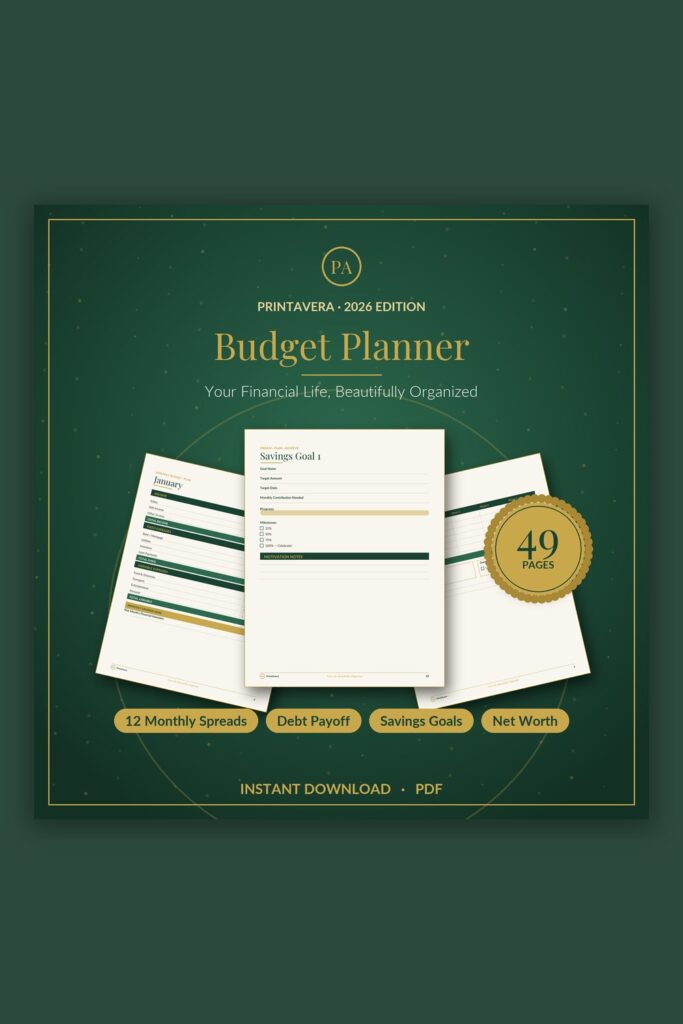
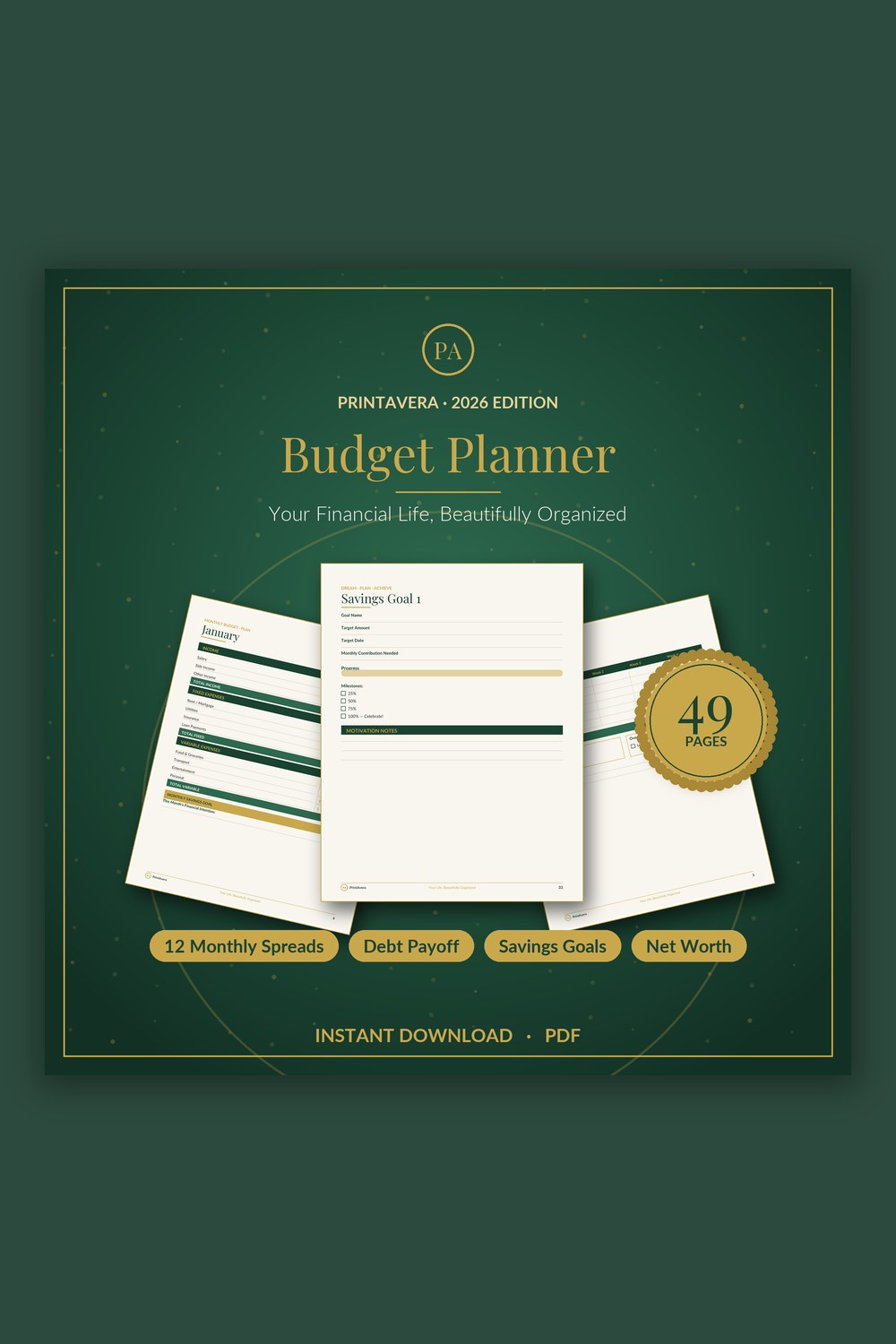
Budget Planner — your financial life, beautifully organized
Debt Payoff Tracker
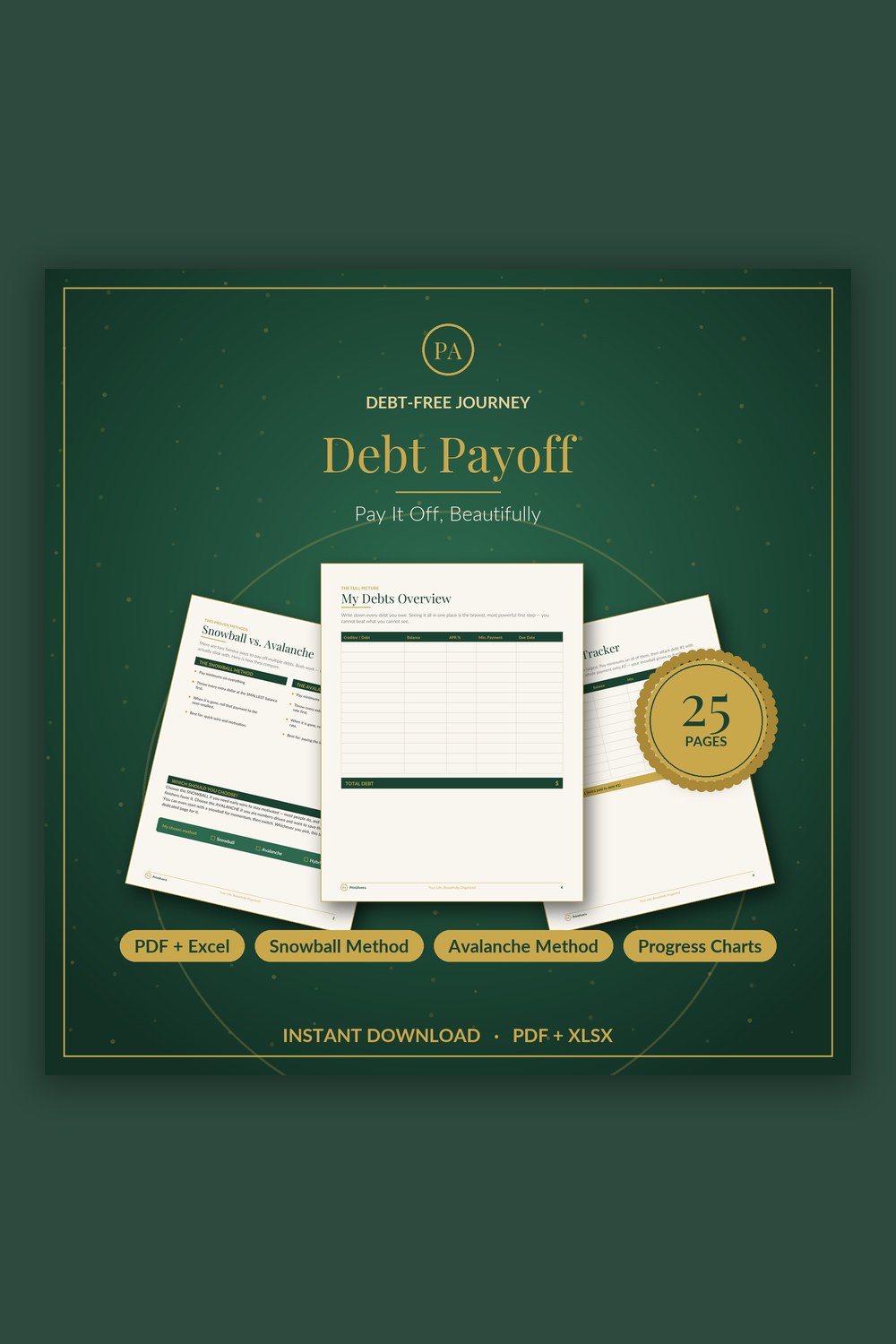
A calm, motivating debt-payoff planner that turns a scary balance into a clear plan you can actually finish.
Subscription Tracker Template
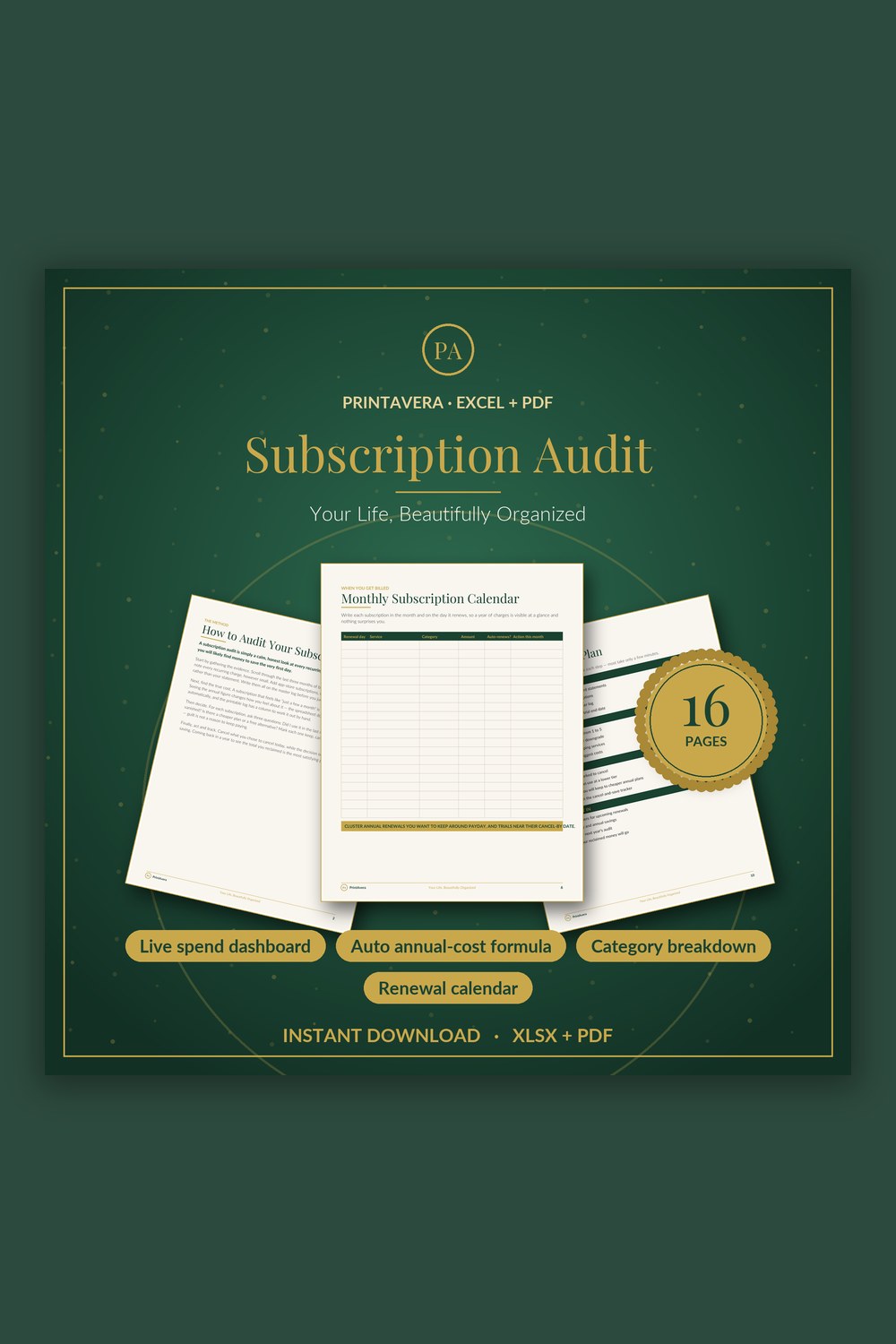
See every subscription, what it truly costs you each year, and exactly which ones to cancel — with a live Excel dashboard and matching printable audit that pay for themselves the first month.
Savings Challenge Printable
A savings challenge printable kit with every popular money challenge in one place: 100-envelope, 52-week, 30-day, a 1,000…
Cash Envelope Budget System
A complete cash envelope budget system inspired by the method popularised by Dave Ramsey — give every dollar a job
The Complete Guide
Why savings challenges work when willpower does not
The reason most saving plans quietly fail is that they ask you to sacrifice something now for a reward you will not feel for years. Your brain, understandably, is not thrilled by this deal. It is wired to value the present far more heavily than some distant future version of you, which is exactly why the biscuit wins over the pension almost every time. A savings challenge works because it flips that maths. It shrinks the goal into small, immediate steps and hands you a little reward for each one. Ticking a box or filling an envelope feels good in the moment, and that small hit of satisfaction is what carries you to the next step, and the next.
Saving fails when the reward is distant; a good challenge hands you a small win you can feel today.
This is gamification in the most honest sense: not tricking yourself, but giving genuine effort a shape you can enjoy. A visible challenge turns saving into a streak you do not want to break, the same way a fitness app makes you reluctant to miss a day. When you can see how far you have come, the progress itself becomes motivating. A printable budget challenge you can pin to the fridge or slot into a budget binder is far harder to ignore than a number buried in an app you open twice a month. It catches your eye, it invites you to fill it in, and each mark you make is quiet proof that you are the kind of person who follows through.
There is also real comfort in a finish line. An open-ended plan to save more has no natural end, so there is never a moment of completion, never a reason to celebrate. A challenge is finite by design. Fifty two weeks, one hundred envelopes, one clear target. That boundary makes the whole thing feel achievable rather than endless, and it gives you a proper milestone to reach. When you finish one, you can rest, enjoy the result, and choose whether to begin another. Small wins, stacked deliberately, are how ordinary people quietly build extraordinary habits with money.
- Choose a challenge with a clear start, finish, and target so the end always feels within reach.
- Keep the tracker somewhere you will actually see it, on the fridge or in a budget binder.
- Celebrate each small win as you mark it, because the satisfaction is what keeps you going.
- Treat a missed week as information, not failure; simply pick up where you left off.
The three savings challenges worth trying
The hundred envelope challenge is the one people fall for first, and for good reason. You number one hundred envelopes from one to one hundred, then each day pull one at random and set aside that amount in cash. Some days you tuck away three pounds, some days ninety seven, and by the end you have saved five thousand and fifty pounds without a single spreadsheet. The randomness is the charm: it keeps the game interesting and spreads the pain unevenly, so no single day feels crushing. If a full hundred feels steep, halve it, or switch to smaller denominations. The method bends easily to whatever your budget can genuinely bear, which is precisely why a savings challenge printable makes such a good starting point.
Start with the emergency fund; a small cushion is what stops a bad week from becoming bad debt.
The fifty two week savings plan trades randomness for a gentle, predictable climb. In the classic version you save one pound the first week, two the second, three the third, and so on, ending the year having put aside one thousand three hundred and seventy eight pounds. It starts almost unnoticeably, which is the point; by the time the amounts grow, the habit is already established. Many people quietly reverse it, saving the large amounts first while enthusiasm is high and the festive season is still far off. However you run it, a 52 week savings tracker turns the whole year into one long, satisfying line you get to fill in, one week at a time.
The thousand pound emergency fund is less a game and more a foundation, and it may be the most important of the three. Life delivers surprises, a broken boiler, an unexpected bill, a car that chooses the worst possible moment, and without a cushion those surprises land straight on a credit card. A starter emergency fund of around a thousand pounds is enough to absorb most everyday shocks, which stops small problems from becoming spiralling debt. Treat it as challenge number one, race to fill it, then keep the momentum going with a longer-term saving goal once the safety net is in place.
- Hundred envelope challenge: draw a numbered envelope daily and save that amount, up to £5,050.
- 52 week savings: add a little more each week for a steady, almost painless climb to £1,378.
- Thousand pound emergency fund: your first, most important target and a genuine safety net.
- Scale any method up or down so the weekly amount is one you can realistically keep.
Reader Favourite
Budget Planner Printable
Budget Planner — your financial life, beautifully organized
Pairing a challenge with a real budget
A savings challenge is a wonderful spark, but a spark needs something to burn. That something is a proper budget. On its own, a challenge can quietly cannibalise the rest of your money; you dutifully fill an envelope on Monday and reach for the credit card on Friday, and nothing has really changed. When you pair the challenge with a monthly budget planner, the saving comes from a plan rather than from hope. You can see exactly where the money for each envelope or week is coming from, which means the amount you save is money you genuinely have, not money you will scramble to replace. The challenge supplies the motivation; the budget supplies the fuel.
A challenge supplies the motivation; a budget supplies the fuel. You need both to keep going.
The most reliable approach is to decide your saving before you spend, not after. This is the heart of the popular 50/30/20 budget, where roughly half your income covers needs, thirty percent covers wants, and twenty percent goes to saving and debt. Your challenge simply lives inside that twenty percent, so it never competes with the rent. A Budget Planner Printable that lays out your paycheck, your bills, and your saving goals side by side makes this effortless to see. Some people prefer a paper budget binder they can write in each payday, others a simple monthly budget sheet on the fridge. The format matters far less than the habit of assigning every pound a job before it drifts away.
Treat your budget and your challenge as a weekly conversation rather than a one-time setup. A short check-in each payday, ten unhurried minutes with your planner and your tracker open, is enough to keep them aligned. Move the money for the coming week into its envelope or account, note anything that overran, and adjust gently. This is not about judging yourself for the takeaway or the impulse buy. It is about steering, catching a small drift before it becomes a wide one. Budgets that bend survive; the ones scheduled to the last penny break the first time real life turns up, which it always does.
- Assign every pound a job before payday so your saving is planned, not left to chance.
- Fit your challenge inside a set saving portion, such as the 20% in a 50/30/20 budget.
- Hold your budget and tracker together in one place, whether a printable or a budget binder.
- Run a ten minute payday check-in to move the money and adjust before the week begins.
Finding the money by killing subscription leaks
The quiet truth about most budgets is that the money for a savings challenge is already there; it is simply leaking out through the small, forgotten drains we stop noticing. Subscriptions are the worst offenders. A streaming service you meant to cancel, an app trial that turned into a monthly charge, two music platforms when you use one, a gym membership from a more optimistic January. None of them feels big on its own, and that is exactly the problem. Charged automatically and quietly, they slip beneath your attention while adding up to a surprising sum each month. Reclaiming even a fraction of that is often enough to fund an entire savings challenge without cutting a single thing you actually enjoy.
The money for your challenge is usually already there, leaking out through subscriptions you stopped noticing.
The fix begins with a clear, honest audit. Go through a full statement, list every recurring payment, and put a pound figure next to each one, then ask a blunt question of every line: would I miss this if it vanished tomorrow? A Subscription Tracker Template makes this genuinely painless, giving you one place to log what you pay, when each renews, and whether it has earned its keep. The renewal dates matter more than people expect, because the sneakiest charges are the annual ones that arrive long after you have forgotten signing up. Seeing them all in a single view is often a mild shock, and shock is a wonderful motivator.
Once the leaks are visible, redirect the money on purpose rather than letting it dissolve back into general spending. This is the trick that makes the whole exercise stick: the moment you cancel a nine pound subscription, set up a standing order that moves nine pounds into your challenge the same day. The money never touches your everyday account, so you never miss it, and your saving quietly accelerates. It is a small piece of financial jujitsu, turning money that was slipping away into money that builds your emergency fund. Nothing motivates quite like watching a wasteful expense transform into visible progress toward a goal you chose.
- Audit a full statement and list every recurring charge with its amount and renewal date.
- Ask of each subscription: would I genuinely miss this if it disappeared tomorrow?
- Watch for annual renewals, the sneaky charges that land long after you have forgotten them.
- Redirect every cancelled amount straight into your challenge with a same-day standing order.
Find your perfect Savings Challenge printable
Each design is an instant digital download — buy it, download it, and start today. Print at home or use it on any tablet.
Building momentum as you pay down debt
For anyone carrying a balance, paying down debt is the single best return your money can earn. Clearing a card charging twenty percent is like earning twenty percent, guaranteed, with no risk, a rate no savings account will ever match. So while your emergency fund comes first, once that small cushion is in place, aggressive debt payoff usually deserves your attention before longer-term saving. The good news is that the same principles that make a savings challenge work, visible progress and steady small wins, apply just as powerfully here. Debt paid down is progress you can watch, and watching it shrink is one of the most motivating experiences in all of personal finance.
Debt paid down is progress you can watch, and watching it shrink is the best motivation there is.
Two approaches dominate, and both are sound. The snowball method has you pay the minimum on everything, then throw every spare pound at your smallest balance until it is gone, then roll that freed-up payment onto the next smallest. It is not the mathematically optimal route, but it delivers a quick, morale-boosting win that keeps people going, and motivation is what actually clears debt. The avalanche method instead targets the highest interest rate first, which saves the most money over time but can feel slower to reward. There is no wrong choice. Pick the one you will genuinely stick with, because a method you abandon saves nothing at all.
Whichever you choose, make the momentum visible, because that is where the magic lives. A Debt-Free Journey Tracker turns an intimidating pile of balances into a clear picture you can colour in as it shrinks, and every shaded section is a small celebration you have earned. Watching a debt thermometer inch toward zero taps into the exact same gamified pull as any savings challenge; the finish line is real, and it is getting closer. As each balance clears, redirect its payment, first to the next debt, then, once you are finally free, straight into your savings challenges. The habit you built paying down what you owed becomes the habit that builds your wealth.
- Build a starter emergency fund first, then prioritise clearing high-interest debt.
- Snowball for quick, motivating wins; avalanche to save the most on interest overall.
- Choose the method you will actually stick with, since consistency beats theoretical perfection.
- Track the payoff visually and roll each cleared payment onto the next balance, then into saving.
Frequently Asked Questions
What exactly is a savings challenge and how does it work?
A savings challenge is a simple, finite game that turns saving money into a series of small, satisfying steps. Rather than a vague plan to save more, you follow a clear structure with a start, a finish, and a target, then mark each step as you go. The hundred envelope challenge has you save a random amount each day, while the 52 week savings plan has you add a little more each week. The point is to make progress visible and immediate, so the effort earns a small reward you can feel now. That visible momentum is what carries you forward when plain willpower runs out, which it usually does.
How much can the hundred envelope challenge actually save?
In its full form, the hundred envelope challenge saves five thousand and fifty pounds. You label one hundred envelopes from one to one hundred, then each day draw one at random and set aside that amount, and the numbers one through one hundred add up to £5,050. The randomness keeps it interesting and spreads the effort unevenly, so no single day feels overwhelming. If that total is more than your budget can bear, the method scales beautifully. Halve every amount, use smaller denominations, or stretch the challenge over a longer period. A savings challenge printable makes it easy to track which envelopes you have completed and watch the total climb toward your goal.
Should I pay off debt or build savings first?
The gentlest answer is a little of both, in order. Start by building a small emergency fund of around a thousand pounds, because without a cushion any surprise expense simply lands back on a credit card and undoes your progress. Once that safety net is in place, turn your attention to clearing high-interest debt, since paying off a card charging twenty percent is effectively a guaranteed twenty percent return that no savings account can match. After the expensive debt is gone, you can channel that same monthly payment straight into longer-term saving. A Debt-Free Journey Tracker helps you see each balance shrink, which keeps the momentum going the whole way through.
What is the difference between the snowball and avalanche methods?
Both are proven ways to clear debt; they simply order things differently. The snowball method has you pay the minimum on everything, then attack your smallest balance first, so you score a quick win and roll that freed-up payment onto the next debt. It is not the cheapest route, but the early victories keep you motivated, and motivation is what actually gets debt paid. The avalanche method targets the highest interest rate first, which saves the most money over time but can feel slower to reward. Neither is wrong. Choose the one you will genuinely stick with, because the best method is always the one you finish rather than the one that looks tidiest on paper.
How does a savings challenge fit alongside a normal budget?
A challenge and a budget are far stronger together than apart. On its own, a challenge can quietly pull money away from your bills, so you fill an envelope on Monday and reach for the card on Friday. Pairing it with a money saving planner means the saving comes from a real plan, with every pound assigned a job before payday. A popular structure is the 50/30/20 budget, where roughly twenty percent of your income goes to saving and debt, and your challenge simply lives inside that portion. A Budget Planner Printable that shows your paycheck, bills, and goals side by side makes it easy to see exactly where each week's saving is coming from.
How do I find the money to save when things are already tight?
More often than not, the money is already there, quietly leaking out through charges you have stopped noticing. Subscriptions are the usual culprits: forgotten streaming services, an app trial that became a monthly bill, a gym membership from a more hopeful January. Go through a full statement, list every recurring payment with its renewal date, and ask whether you would genuinely miss each one. A Subscription Tracker Template makes this painless and often surprising. Then redirect the reclaimed money on purpose, setting up a standing order that moves each cancelled amount straight into your challenge the same day. You never feel the loss, and your saving quietly speeds up without you sacrificing anything you truly enjoy.
Are there new savings tools coming to PrintAvera?
Yes, and we are genuinely excited about them. Arriving soon is a dedicated Savings Challenge Printable pack covering the hundred envelope challenge, the 52 week savings plan, and the thousand pound emergency fund, all designed to be printed and filled in as you go so your progress stays satisfyingly visible. We are also finishing a complete envelope-style budget system, built for anyone who loves the cash-and-categories approach popularised by Dave Ramsey and wants a calm, considered layout to match. Both are new arrivals rather than current products, so keep an eye out. In the meantime, the Budget Planner Printable, Debt-Free Journey Tracker, and Subscription Tracker Template already give you everything you need to start today.
Why PrintAvera?
Every PrintAvera design is created in-house to a five-star standard — considered layouts, calm forest-green and gold styling, and typography chosen to make every page feel intentional. Each one is an instant digital download you can print at home or use on any tablet in minutes. Beautiful enough that you will actually want to use it, every single day.
Explore More Collections